
Pruning
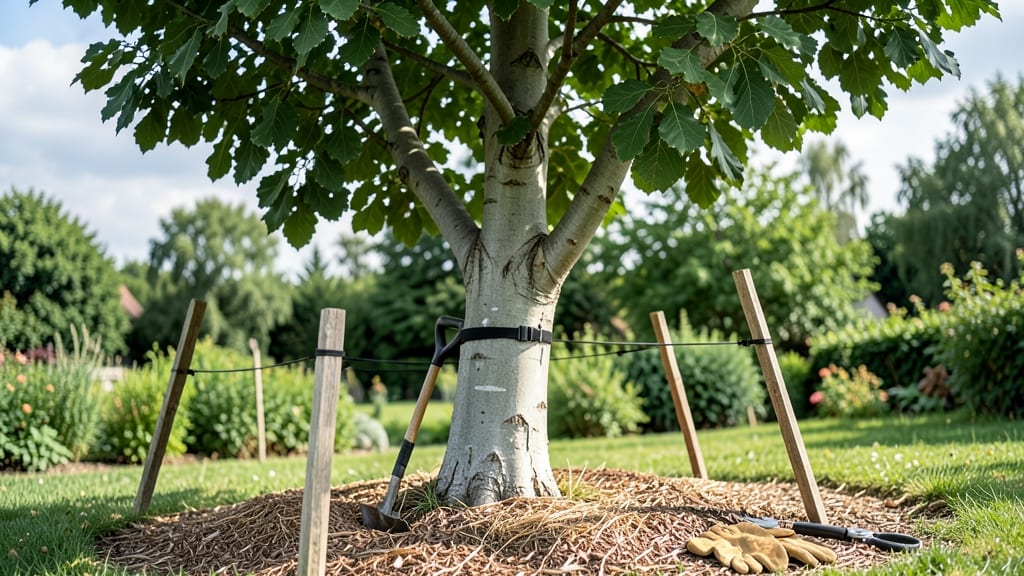
Your tree’s dramatic lean might be a sign of roots struggling to anchor it—fixing a leaning tree starts with understanding why it’s happening before you dig in. 🌳 I’ve seen trees go from wobbling dangerously to standing tall again with the right approach, and it’s easier than you’d think.
The key is addressing the root cause, whether it’s shallow soil, storm damage, or erosion pulling it sideways.
Most leaning trees aren’t doomed—they just need support while their roots catch up. Staking or guying (using angled supports) can stabilize them temporarily, but the real fix comes from improving soil structure and encouraging deeper root growth.
Think of it like giving your tree a temporary crutch while it rebuilds its foundation. For small trees, this process takes just a few hours; for larger ones, it’s a seasonal commitment.
By the end, you’ll have a tree that stands strong without looking like it’s holding a flag in the wind. The best part? You’ll save it from becoming a hazard while making your yard look intentional, not like a storm just rolled through.
Let’s get that tree back on track—safely and effectively.
This method works for young trees, newly planted specimens, and even mature ones that’ve taken a wrong turn over time. The only difference is the scale of the supports and how long you’ll need to monitor progress. Safety first: always check for hidden roots or underground utilities before digging.
Root Causes Behind Tree Tilts
Understanding why your tree is leaning is the first step to fixing it—before you can stabilize it, you need to know what’s pushing (or pulling) it off balance. Trees lean for a mix of natural and environmental reasons, often tied to their growth patterns, soil conditions, or external forces.
Here’s a breakdown of the most common culprits:
Trees don’t grow roots evenly by default. If one side of the root system develops faster—or is stronger—than the other, it creates an imbalance that pulls the trunk sideways. This often happens due to:
- Wind Exposure: Chronic wind from one direction can stunt root growth on the windward side, while the leeward side thrives.
Over time, the stronger roots dominate, tipping the tree toward the weaker side. - Soil Compaction: Hard or compacted soil (common in urban areas or after construction) restricts root expansion.
If one side of the root zone is more compacted, roots grow unevenly, causing a tilt. - Poor Planting: If a tree is planted too deeply or at an angle, its root plate may not develop symmetrically.
This is especially true for young trees, where improper planting sets the stage for future leans.
Actionable Insight: 🔍 Check the soil around your tree’s base. If one side feels rock-hard while the other is loose, compaction is likely the issue. Aerating or amending the soil can help future growth—but for now, bracing may be necessary.
Trees aren’t just passive structures—they react to their surroundings. External forces like wind, erosion, or even human activity can physically shift a tree’s position over time.
- Chronic Wind Stress: While occasional gusts won’t harm a tree, consistent wind from one direction (like coastal areas or open fields) can gradually bend the trunk or uproot shallow roots.
This is why many leaning trees are found in exposed locations. - Erosion or Water Flow: Heavy rainfall or poor drainage can wash away soil from one side of the root zone, leaving the tree unsupported.
This is common on slopes or near water sources. - Construction or Utility Work: Digging near a tree’s roots (for sidewalks, foundations, or pipes) can sever or damage roots on one side, causing the tree to lean toward the intact side for stability.
Actionable Insight: 🌡️ Observe the lean’s direction. If it’s toward a recently disturbed area (like a new driveway), root damage is likely the cause. Avoid planting near future construction zones to prevent this in the first place.
Some leans aren’t problems—they’re just how the tree grows! Trees naturally lean toward light (a phenomenon called phototropism), especially when young. However, if the lean becomes severe or sudden, it may signal deeper issues.
- Light Seeking: Young trees often grow toward sunlight, causing a lean. While this is normal, if the angle exceeds 15–20 degrees, it may indicate poor root anchorage. - Genetic Tilt: Some tree species (like willows or poplars) naturally grow at angles due to their genetics.
If the lean isn’t worsening, it’s likely just part of the tree’s design. - Trunk Twisting: As trees grow taller, their trunks can twist due to uneven wood formation. This isn’t always a stability risk but can make the tree look (and feel) unbalanced.
Actionable Insight: ✨ Assess the lean’s progression. If it’s gradual and the tree appears healthy, it may just be growing “crooked.” But if the lean is sudden or accelerating, investigate root or structural issues.
In some cases, a leaning tree isn’t just tilting—it’s compromised. Structural weaknesses can turn a minor lean into a major hazard.
- Root Rot or Disease: Fungal infections (like Armillaria root rot) or bacterial diseases can weaken roots on one side, causing the tree to lean away from the affected area.
Look for mushrooms at the base or oozing sap. - Decay in the Trunk: Internal rot (often from storm damage or insect infestations) can weaken the trunk’s integrity, making it more prone to leaning or snapping. - Shallow Root Systems: Trees with shallow roots (common in sandy soils or fast-growing species like silver maples) are more likely to lean, especially in windy conditions.
Actionable Insight: 💡 Tap the trunk near the base with a hammer. A hollow or dull sound could indicate rot. If you suspect decay, consult an arborist—some trees may need removal for safety.
We don’t always mean to harm trees, but human activity can accidentally (or intentionally) cause leans.
- Improper Pruning: Over-pruning on one side of the canopy can reduce weight distribution, causing the tree to lean toward the heavier side.
- Weight Loading: Stacking materials (like firewood) or leaning ladders against a tree can physically push it off balance over time.
- Vibration from Equipment: Heavy machinery (lawnmowers, chainsaws) near the base can compact soil or damage roots, leading to leans.
Actionable Insight: 🎯 Avoid “tree hugging” with equipment. Keep machinery at least 6–10 feet away from the trunk to prevent soil compaction and root damage.
Not all leans are emergencies, but watch for these red flags:
- The lean is sudden (not gradual).
- The tree sways visibly in the wind (even lightly).
- Cracks appear in the trunk or bark.
- Soil around the base is pulling away or heaving.
If any of these apply, your tree may need professional stabilization—not just a DIY fix.
Fixing a Leaning Tree Safely
A leaning tree isn’t just an eyesore—it can pose serious risks to your property, especially during storms or strong winds. But don’t panic! With the right approach, you can stabilize it (or even restore it to a straighter stance) while keeping your yard safe.
Below, we break down practical solutions based on the most common causes of tree lean, from minor adjustments to full structural repairs.
If your tree is leaning due to weak or shallow roots (common in newly planted trees or those in windy areas), the fix focuses on reinforcing stability without invasive surgery.
🔨 Step 1: Assess Root Health
- Gently dig around the base of the tree (about 12–18 inches deep) to check for exposed roots or soil erosion.
- Look for root flare (the swollen area where roots meet the trunk)—if it’s buried, this can restrict growth and cause imbalance.
- Pro Tip: 💡 If roots are tangled or circling, they may need root pruning (carefully cutting back problematic roots with sterilized tools).
🌱 Step 2: Improve Soil & Support
- Add compost or mulch (3–4 inches thick) around the base to encourage deeper root growth.
Keep mulch 6 inches away from the trunk to avoid rot. - Install root barriers (if needed) to guide roots downward in sandy or rocky soil. - Use tree stakes or guy wires (temporarily) to provide support while roots strengthen.
Angle stakes away from the lean and attach with elastic straps (never wire directly to the trunk—it can girdle the tree).
⏰ Step 3: Wait & Monitor - It can take 1–3 years for roots to adjust.
Avoid heavy pruning during this time—focus on watering deeply (1–2 inches per week) to encourage root expansion. - Warning: ⚠️ If the lean worsens despite these steps, the tree may need professional bracing or removal.
Trees that lean from wind stress often need external support to redistribute weight. This is a quick fix for mature trees with healthy roots.
🛠️ Step 1: Choose the Right Guying Method
- For slight leans (10–20°):
- Use 3–4 guy wires (1/2-inch diameter) anchored 6–10 feet from the trunk in concrete deadmen (not just stakes).
- Attach wires to the top third of the trunk (not the base) with rubber pads to prevent damage.
- For severe leans (20°+):
- Consider multiple guy wires or a tree brace system (like a steel cable system).
- Pro Tip: 🔥 Never use nails or spikes—they can tear bark and invite disease.
🌿 Step 2: Balance the Canopy
- Prune the heavier side of the tree (the side leaning into the wind) to reduce top-heavy stress.
- Remove dead or weak branches first—these add unnecessary weight.
- Avoid over-pruning! 🌡️ Never cut more than 25% of the canopy in one season.
🔄 Step 3: Recheck Annually
- Inspect guy wires every 6 months for rust or loosening.
- If the lean persists after a year, consult an arborist—the tree may need cabling or bracing for long-term support.
If the lean is due to internal rot, cracks, or a split trunk, DIY fixes won’t cut it. Here’s when to call an expert:
🚨 Step 1: Identify Structural Weaknesses
- Look for:
- Large cracks (especially on the underside of the lean).
- Mushroom growth at the base (sign of rot).
- Soft or spongy wood when tapped with a tool.
- Red Flag: 🚨 If the trunk compresses easily or oozes sap, the tree may be beyond saving.
👨🌾 Step 2: Arborist Interventions
Professionals may recommend:
- Cabling/bracing: Steel cables threaded through the trunk to redistribute weight.
- Buttressing: Adding wooden or metal supports to the base (common for large oaks or maples).
- Selective pruning: Removing specific branches to shift the tree’s center of gravity.
💰 Step 3: Decide on Removal (If Needed)
- If the tree is hazardous (e.g., leaning over a house, power lines, or a busy sidewalk), removal may be safest.
- Cost Tip: ✨ Compare quotes—some arborists offer stump grinding as part of the service.
Once your tree is stabilized, proactive care prevents future leans:
- Plant at the right depth: Ensure the root flare is visible above soil level.
- Water deeply but infrequently: Encourages deep root growth (better than shallow, frequent watering).
- Mulch properly: Use wood chips or shredded bark, but never pile against the trunk.
- Prune strategically: Remove suckers (sprouts at the base) and crossing branches to avoid weak spots.
- Monitor soil health: Test for compaction or poor drainage—amend with compost if needed.
Final Note: 🌟 While some leans can be corrected, not all trees should be "fixed." If a tree is too far gone or poses a safety risk, removal may be the kindest option. Always consult a certified arborist before attempting major repairs!
Frequently asked questions
How do I know if my leaning tree is safe to fix myself?
Check for these signs before DIYing: no visible cracks in the trunk, no mushrooms at the base, and minimal sway in wind. If the lean is sudden or exceeds 30 degrees, or if the tree is large and mature, call an arborist. Small trees (10–15 feet tall) with gradual leans are safest for beginner fixes.
What’s the difference between guy wires and tree stakes for fixing a lean?
Guy wires use angled cables anchored deep in the ground (like guy lines on a sailboat) to pull the tree upright, ideal for severe leans. Tree stakes (vertical supports) work best for young, shallow-rooted trees and should be placed away from the lean direction. Use elastic straps, never wire, to attach supports to the trunk.
Can I fix a leaning tree without digging near the roots?
Yes! For surface-level fixes, use guy wires or tree braces that don’t require digging. Add mulch (3–4 inches) around the base to improve soil health without disturbing roots. Avoid heavy pruning—focus on balancing the canopy by trimming the heavier side of the tree to reduce top-heavy pressure.
How long does it take to see results from stabilizing a leaning tree?
With proper support, you’ll see immediate improvement in stability, but full correction takes 1–3 years as roots adjust. Monitor the tree seasonally: if the lean worsens after 6 months despite supports, the issue may be internal rot or soil erosion, requiring professional help.
Will fixing a leaning tree make it grow straighter over time?
Not always—some leans are permanent due to genetic growth patterns or deep-rooted imbalances. However, proper support and care can prevent further leaning and improve stability. Focus on long-term health: deep watering, balanced pruning, and soil aeration help roots grow stronger, reducing future leans.