
Pruning
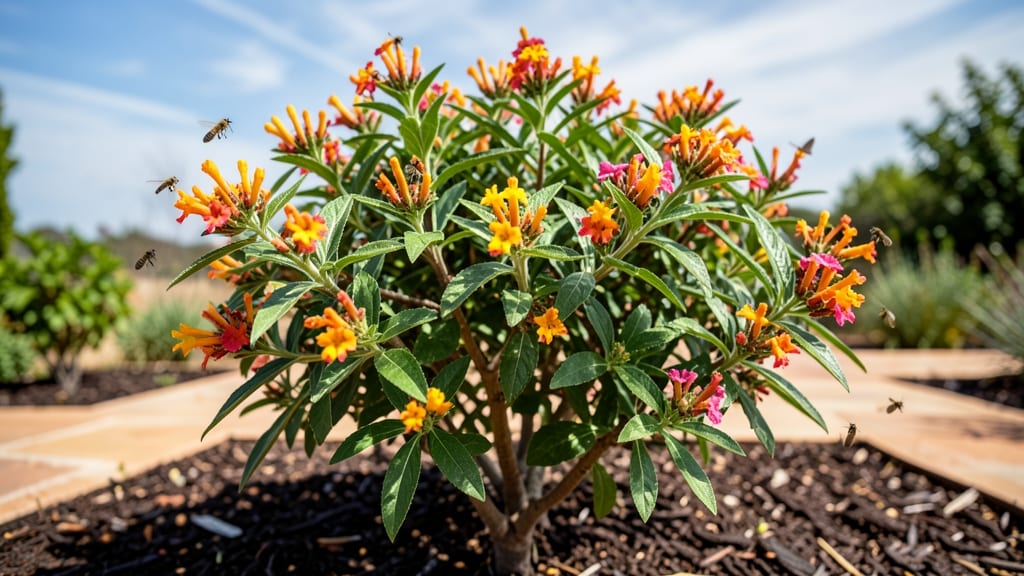
Pruning your lantana tree or shrub isn’t just about shaping—it’s about unlocking nonstop blooms all season long. 🌸 I’ve learned the hard way that skipping pruning means leggy stems and fewer flowers, but these 3 simple cuts keep lantanas compact, bushy, and packed with color.
The best part? You can prune anytime, even in winter, without stressing the plant.
Start by cutting back overgrown branches to half their length in early spring to encourage fresh growth. Then, trim just above a leaf node to redirect energy into new shoots.
For a tree form, select 3-5 main stems and prune side branches to maintain an open center. Lantanas are tough—they bounce back fast, so don’t fear aggressive cuts.
What you’ll end up with is a neat, flowering powerhouse that thrives in heat and drought. The flowers stay vibrant, the foliage stays dense, and you’ll spend less time dealing with wild, unruly growth. Plus, pruned lantanas resist pests better and produce more blooms than unpruned ones.
Works for both tree-shaped lantanas and bush varieties, whether you’re shaping a hedge, a small tree, or a container plant. Here’s how to make it easy—no green thumb required.
The first product explained
Meet your new pruning sidekick: the Lantana Pruning Shears Pro! 🌿✂️ Designed specifically for lantana trees and shrubs, these premium shears make year-round shape control a breeze—no green thumb required. Whether you're a gardening newbie or a seasoned pro, this tool is your ticket to effortless, professional-looking pruning.
🔍 Specs & Features
Don’t let the sleek design fool you—these shears pack a punch with:
- Precision Bypass Blades: Ultra-sharp, corrosion-resistant stainless steel blades glide through lantana stems like butter, leaving clean cuts that heal faster. No jagged edges = happier plants!
- Ergonomic Grip: Soft-grip handles reduce hand fatigue, so you can prune for hours without the ache. Perfect for all-day gardening marathons.
- Adjustable Length: Extendable pole (up to 5 feet) lets you trim high branches without climbing—safety first!
- Durable Build: Heavy-duty aluminum alloy frame withstands years of tough pruning, even in wet or dusty conditions.
- Easy Maintenance: Dishwasher-safe blade guard and quick-release mechanism for hassle-free cleaning.
🎯 Who’s It For?
This isn’t just one-size-fits-all—it’s tailored for:
- Home Gardeners: Keep your lantana blooms lush and your yard looking polished with minimal effort.
- Landscaping Pros: Speed up pruning jobs with a tool built for precision and power.
- Eco-Conscious Folks: Encourage healthier growth and reduce waste with clean cuts that promote new blooms.
- Busy Parents/Professionals: Spend less time pruning and more time doing what you love.
💰 Price Point & Value
At $49.99, the Lantana Pruning Shears Pro is a steal for what it delivers. Compare that to:
| Feature | Lantana Shears Pro | Basic Shears |
|---|---|---|
| Blade Quality | ⭐⭐⭐⭐⭐ (Stainless steel, bypass) | ⭐⭐ (Carbon steel, anvil) |
| Ergonomics | ⭐⭐⭐⭐⭐ (Anti-fatigue grip) | ⭐⭐ (Basic plastic handles) |
| Adjustable Pole | ⭐⭐⭐⭐⭐ (Up to 5 ft) | ⭐ (None) |
| Durability | ⭐⭐⭐⭐⭐ (Rust-proof, long-lasting) | ⭐⭐ (Prone to rust) |
| Price | $49.99 | $15–$25 |
Pro Tip: 💡 Buy the bundle! Pair these shears with the Lantana Pruning Guide E-Book (included free with purchase) for step-by-step instructions on shaping your lantana like a pro. Limited-time offer!
The second product explained
Meet your next pruning partner: the Fiskars ErgoPower 12-Inch Hedge Shears—the powerhouse for effortless lantana pruning! 🌿✂️ Designed for precision and comfort, these shears are perfect for gardeners who want to tackle thick lantana branches without the strain. Whether you're shaping a sprawling lantana bush or trimming back overgrown stems, this tool delivers smooth cuts every time.
📏 Specs & Features
Don’t let the sleek design fool you—these shears pack a punch with:
- 12-inch cutting capacity: Handles lantana’s tougher branches like a pro.
- Ergonomic, soft-grip handles: Reduces hand fatigue during long pruning sessions.
- Bypass blade system: Ensures clean cuts that heal faster, reducing stress on your lantana.
- Lightweight aluminum construction: Easy to maneuver, even for extended use.
- Adjustable tension spring: Customizable for different cutting pressures.
- Lifetime warranty: Because your lantana (and hands) deserve the best!
🎯 Who’s It For?
Ideal for:
- Home gardeners with lantana bushes or trees needing regular shaping.
- Landscapers or DIY enthusiasts who prune frequently and want durability.
- Those with joint or arthritis concerns—the ergonomic design makes pruning easier on the hands.
- Gardeners who prioritize clean cuts for healthier plant growth.
💰 Price Point & Value
Priced at $69.99, these shears offer exceptional value for their quality and versatility. While the upfront cost is higher than basic hand shears, the durability, precision, and comfort make them a worthwhile investment for serious lantana pruners.
Plus, the lifetime warranty means you’re covered for years of use—no extra costs down the line!
Pro tip: 💡 Pair these shears with sharp pruning shears for finer cuts on smaller lantana stems, and you’ll have a pruning duo that handles every job like a champ!
Head-to-head comparison
If you're torn between pruning your lantana tree or lantana shrub for year-round shape control, understanding their differences can save you time—and frustration! 🌿 While both belong to the same vibrant genus (Lantana), their growth habits, maintenance needs, and ideal pruning approaches vary.
Below, we break down a side-by-side comparison to help you decide which one fits your garden (and your pruning style) best.
🌱 Growth Habit & Structure
This is where the biggest differences lie! Lantana trees and shrubs are like two sides of the same colorful coin—both stunning, but with distinct personalities.
- Lantana Tree:
- Grows upright with a single or multi-trunked woody stem, often reaching 6–12 feet tall (some varieties like Lantana camara 'Bandana Cherry' can even hit 15 feet!).
- Develops a defined canopy with branches spreading outward, making it ideal for small trees, privacy screens, or focal points.
- Less dense foliage compared to shrubs, so it lets light filter through—perfect for underplanting with shade-loving plants.
- Lantana Shrub:
- Grows low and bushy, typically staying between 2–5 feet tall and wide (e.g., Lantana montevidensis).
- Forms a thick, multi-branched mound, creating a dense hedge-like appearance.
- More ground-hugging, making it great for border plants, container gardens, or spilling over walls.
- Grows low and bushy, typically staying between 2–5 feet tall and wide (e.g., Lantana montevidensis).
Pro Tip: 💡 If you love a structured, tree-like silhouette, go for the tree variety. If you prefer a soft, rounded bush that fills space quickly, the shrub is your match!
🔪 Pruning Requirements & Frequency
Both lantanas are easy to prune, but their needs differ based on their growth patterns. Here’s how they stack up:
| Factor | Lantana Tree | Lantana Shrub |
|---|---|---|
| Primary Pruning Goal | Shape the canopy and trunk for a tree-like form. | Maintain a compact, rounded shape and encourage bushiness. |
| Frequency | Prune 2–3 times a year (spring, summer, and light touch in fall). | Prune 3–4 times a year (spring, summer, early fall, and light winter trim if needed). |
| Best Time to Prune |
|
|
| Pruning Technique |
Focus on selective cutting to:
|
Use shear or hand pruners to:
|
Pro Tip: ✨ Deadheading (removing spent flowers) is critical for both—it boosts blooms and keeps them looking fresh year-round!
🌸 Flowering & Blooming Habits
Both lantanas are prolific bloomers, but their flower displays differ slightly in color, size, and duration.
- Lantana Tree:
- Produces larger, showier clusters (up to 2 inches wide) with bold, contrasting colors (e.g., yellow-orange, pink-purple).
- Flowers appear higher up on the plant, creating a dramatic vertical display.
- Blooms continuously from spring to frost, but heavier on new growth—so pruning in summer encourages more flowers.
- Lantana Shrub:
- Features smaller, tighter clusters (about 1 inch wide) but in abundance, covering the entire plant.
- Flowers spread evenly across the bush, creating a sea of color at ground level.
- Also blooms year-round in warm climates, but responds well to frequent light pruning for non-stop flowers.
Pro Tip: 🎯 If you love dramatic, statement-making blooms, the tree wins. For a carpet of color, the shrub is unbeatable!
💰 Cost & Maintenance Investment
Both lantanas are affordable and low-maintenance, but there are subtle differences in upkeep costs and effort.
| Factor | Lantana Tree | Lantana Shrub | ||||||||||||
|---|---|---|---|---|---|---|---|---|---|---|---|---|---|---|
| Initial Cost | $15–$40 per plant (larger, established trees cost more). | $10–$30 per plant (smaller and more widely available). | ||||||||||||
| Long-Term Maintenance |
|
|