
Size
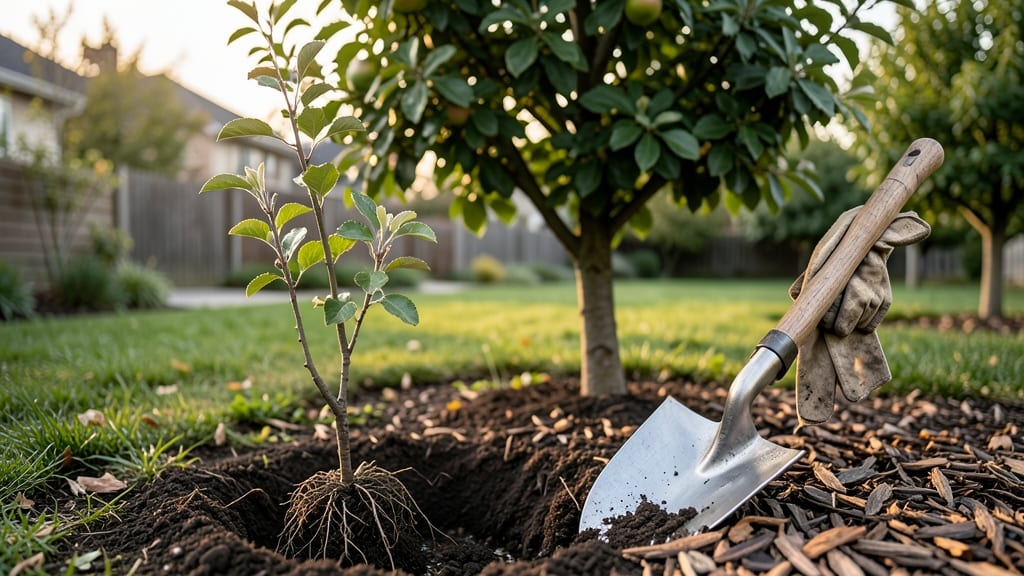
If you plant an apple seed, a tree will grow—but it won’t produce fruit matching the parent apple, since only wild, unpredictable varieties may emerge. Success requires careful germination, proper soil conditions, and years of patience.
When you plant an apple seed, you’re starting with a single gene pool that has no guarantee of producing fruit resembling the original apple. 🌱 The resulting tree is essentially a genetic lottery, often yielding small, tart, or even inedible fruit.
I’ve seen this firsthand—many gardeners plant seeds from store-bought apples only to be disappointed when the seedlings produce bitter, mealy fruit years later. The key to success lies in understanding the seed’s dormancy period and providing the right growing conditions, like well-draining soil and full sunlight.
While the process is unpredictable, it’s not impossible to grow a thriving apple tree from a seed. The real magic happens during the stratification phase, where seeds spend weeks in cold, moist conditions to break dormancy.
Once sprouted, seedlings need consistent care—watering, protection from pests, and gradual exposure to outdoor conditions—to survive their first critical years. Many gardeners eventually graft desirable apple varieties onto these wild seedlings to combine hardiness with predictable fruit production.
💡 In This Article
- How Apple Seeds Germinate and Develop Into Trees
- Best Practices for Growing Apple Trees from Seeds
How apple seeds germinate and develop into trees
Apple seeds undergo a natural dormancy period that lasts about 4-6 weeks, during which they need cold, moist conditions to break dormancy—a process called stratification. This mimics winter's natural cycle, where seeds buried in soil experience freezing temperatures and moisture fluctuations.
Without this step, seeds often fail to sprout because apple trees evolved to germinate in spring after winter's cold. 🌱 The seed's outer shell contains inhibitors that prevent premature sprouting, which is why simply planting a seed in warm soil rarely works—it lacks the cold trigger needed to activate growth hormones.
Once stratified, the seed's embryo begins cellular division, with the radicle (primary root) emerging first, followed by the shoot. This two-stage growth is critical: roots anchor the seedling while the shoot reaches for light. The seedling's first leaves, called cotyledons, are simple and broad, designed to capture sunlight for photosynthesis.
Within 4-8 weeks of proper stratification, you'll see the first true leaves appear—these are smaller and more complex, signaling the transition to sustained growth.
The entire process relies on the seed's genetic memory of its parent tree's growing conditions, which is why wild seedlings often thrive in their native habitat but struggle in urban environments with poor soil or drought.
What most gardeners don't realize is that the tree emerging from a seed is a genetic throwback to the apple's wild ancestor, Malus sieversii. Store-bought apples are hybrids bred for sweetness, size, and disease resistance, but their seeds carry only a fraction of these traits.
The resulting tree may produce fruit, but it's often small, tart, and bitter—think of a crabapple's flavor profile.
This unpredictability is why professional orchards use grafting instead: it ensures the tree produces fruit identical to the parent, while seed-grown trees are more resilient to local pests and diseases but yield unreliable fruit. 🍎
The seed's journey from dormancy to sapling also depends on soil chemistry. Apple seeds prefer slightly acidic soil (pH 6.0-6.5) with good drainage, as waterlogged conditions cause root rot.
The seedling's first year is the most vulnerable—it lacks the root depth to access deep moisture and its young bark is susceptible to sun scorch. Many gardeners make the mistake of transplanting seedlings too early, disrupting their delicate root systems.
Patience is key: a seed-grown apple tree typically takes 5-10 years to bear fruit, and even then, the quality is unpredictable. This is why grafting desirable varieties onto seedling rootstock is a common practice—it combines the hardiness of wild genetics with the reliability of cultivated fruit.
Consider the example of the famous Johnny Appleseed legend. While he famously planted apple seeds across America, the trees that grew were wild crabapples, not the sweet varieties we enjoy today. These seedlings produced small, tart fruit that birds loved but humans often discarded.
The lesson here is that while seed-grown apple trees are fascinating for their genetic diversity and hardiness, they're rarely the source of commercial fruit. The process is more about exploring nature's variability than creating a predictable orchard. 🌿
For those eager to see results faster, there's a workaround: grafting a known apple variety onto a seedling rootstock. This hybrid approach gives you the best of both worlds—the root system's disease resistance and the scion's (grafted branch) predictable fruit.
Many home gardeners start with seed-grown rootstock and later graft branches from nursery-bought trees, creating a tree that's both hardy and productive. This method requires skill but offers a more reliable path to homegrown apples.