
Size
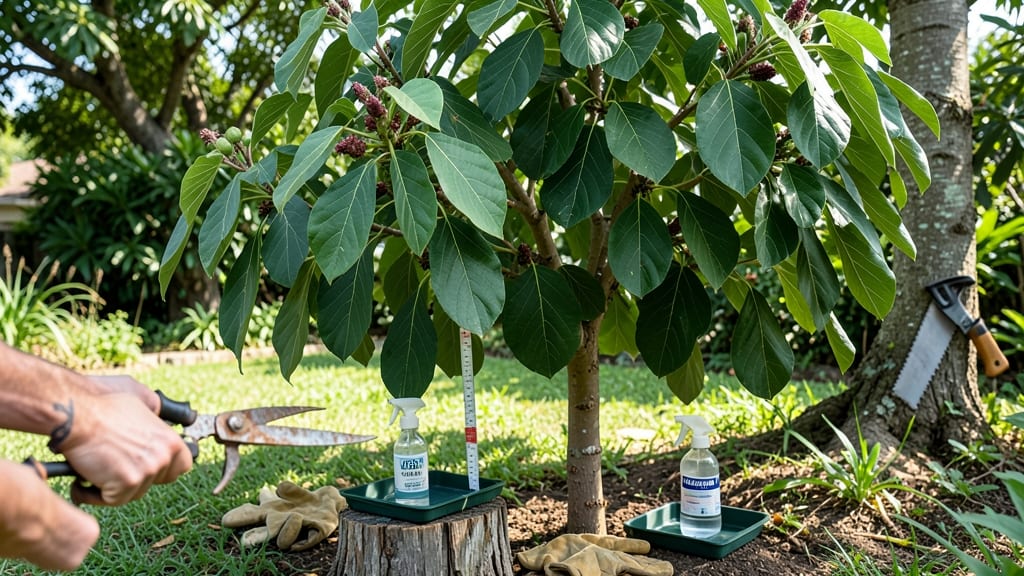
Stopping how to stop your paw paw tree from growing too tall is easier than you think. 🌿 I’ve pruned mine for years, and the right cuts keep it at a manageable height while still producing those sweet, custard-like fruits we all love.
The key is dormant pruning in late winter—before buds swell—when the tree’s energy is low. Start by removing suckers (those aggressive shoots at the base) and thin crowded branches to let light reach the center. Never cut more than 25% of the canopy at once, or you’ll stress the tree.
By summer, you’ll see fresh growth filling in gaps, and the tree stays sturdy enough to support fruit without becoming a backyard skyscraper. The best part? Proper pruning actually boosts fruit production by directing energy where you want it.
For long-term success, repeat every year and watch your paw paw thrive—compact, healthy, and loaded with fruit. Here’s how to do it right!
📚 In This Guide
- What you need
- Instructions
- Tips and common mistakes
- Wrapping up and next steps
What you need
- ● Pruning shears – Sharp, bypass-style shears (for cuts up to ½ inch thick). Quantity: 1 pair.
- ● Loppers – For thicker branches (½ inch to 2 inches). Quantity: 1 pair.
- ● Pruning saw – For branches thicker than 2 inches. Quantity: 1.
- ● Disinfectant – 70% isopropyl alcohol or a pruning sealant (to prevent disease). Quantity: Small bottle.
- ● Gloves – Heavy-duty gardening gloves (to protect from thorns and sap). Quantity: 1 pair.
- ○ Pruning paint/sealant – Optional but helpful for sealing large cuts (prevents disease). Quantity: Small tube.
- ● Ladder or step stool – Sturdy and tall enough to reach branches safely. Height: At least 10–12 feet.
- ● Trash bags or bucket – For collecting pruned branches. Quantity: 2–3.
- ● Marking twine or flags – To tag branches for removal (if needed). Quantity: Small roll.
- ● Pole pruner – For high branches without a ladder. Reach: 10–15 feet.
- ● Tree growth regulator – Like Paclobutrazol (follow label instructions carefully!).
- ● Compost bin – To recycle pruned branches into mulch.
- ● Safety glasses – Protects eyes from debris.
Step-by-step pruning guide for managing paw paw tree height
Here's how to keep your paw paw tree in check while keeping it healthy and productive.
🌿 Step 1: Understand the Best Time to Prune
Prune your paw paw tree during late winter or early spring, just before new growth begins. This timing ensures you remove unwanted branches when the tree is dormant, reducing stress and disease risk. Avoid pruning in fall—it can stimulate new growth that won't harden off before winter, leaving branches vulnerable to cold damage.
Look for bare branches or those growing straight upward without fruit. These are prime candidates for removal. Paw paw trees naturally grow tall, but strategic pruning keeps them manageable while maintaining airflow and sunlight penetration to lower branches.
✂️ Step 2: Remove Water Sprouts and Suckers
Water sprouts—those fast-growing, vertical shoots—are the biggest culprits behind a towering paw paw tree. Use clean, sharp pruning shears to cut them off at their base, just above a bud or lateral branch. These sprouts drain energy from fruit production, so removing them early prevents wasted growth.
Suckers, which grow from the tree's base, should also be cut at ground level. If left unchecked, they'll create a thicket of unwanted growth. I like to do this in stages—remove the most aggressive ones first, then tackle the rest as they appear. This keeps the tree's energy focused on established branches.
☀️ Step 3: Thin Out Crowded Branches
Focus on branches that cross or rub against each other, as these create wounds where diseases can enter. Aim to remove 20-30% of the tree's total branches in one session to avoid over-stressing it. Start by thinning from the inside of the tree, ensuring sunlight reaches the center where fruit develops.
When thinning, cut back to a side branch or outward-facing bud to encourage new growth in the right direction. Avoid leaving stubs—always make clean cuts just outside the branch collar. This promotes faster healing and reduces the risk of decay.
🌱 Step 4: Control Height with Selective Topping
If your paw paw tree is already too tall, you can top it back by cutting the main trunk or largest branches by one-third in a single season. This forces the tree to send out multiple side branches, creating a bushier, more compact shape. Do this in early spring when the tree is still dormant.
After topping, expect new shoots to emerge from the cut points. These will grow vigorously—choose the 3-4 strongest, well-placed shoots and prune the rest to avoid overcrowding. Over time, these selected branches will form a natural canopy, keeping the tree at a manageable height.
⏰ Step 5: Maintain Year-Round with Light Pruning
Throughout the growing season, keep an eye out for dead, diseased, or damaged branches and remove them immediately. Use sterilized pruners to make clean cuts, and dispose of any infected material far from the tree. This prevents the spread of pests and diseases that can weaken the tree.
In late summer, you can do a light pruning to shape the tree further. Remove any branches that are growing inward or blocking sunlight from reaching the lower canopy. This encourages even growth and better fruit production. A well-maintained paw paw tree will reward you with sweet, tropical-tasting fruit while staying at a height you can enjoy.
Tips & tricks for managing paw paw tree growth
Here's what I've learned from years of pruning to keep these tropical-tasting trees at a manageable height.
Timing is Everything: The late winter to early spring window is critical because your paw paw tree is dormant—this means less stress on the tree and faster healing. I've seen trees recover beautifully when pruned during this time, but I've also watched others struggle when pruned at the wrong season. Mark your calendar for late February to early March in most climates, or wait until after the last frost date in your area. This timing also prevents fall pruning mistakes that can leave branches vulnerable to winter damage.
Tool Prep Matters: Before you start, sterilize your pruning shears with rubbing alcohol to prevent spreading disease between cuts. I've made the mistake of using dirty tools and ended up with more problems than I solved! Also, make sure your blades are sharp—dull tools crush branches instead of making clean cuts, which can damage the tree's healing process. A quick test: if you have to force the shears through a branch, they're too dull. A 10-minute sharpening session with a file can save your tree from unnecessary stress.
Visual Cues for Pruning: When thinning branches in Step 3, look for the classic "V" shape where branches meet—the branch collar. This is where new growth will emerge. Cut just outside this collar to encourage healthy regrowth. I've learned to visualize the tree's shape after each cut—imagine sunlight filtering through the center and air circulating around branches. This mental exercise helps me make better decisions about which branches to keep and which to remove.
Seasonal Maintenance Strategy: Throughout the growing season, I keep a small pair of sterilized shears in my gardening bag for quick removals. This prevents the buildup of dead or diseased branches that can become major problems. In late summer, I do a final light pruning to shape the tree and ensure all branches have access to sunlight. This seasonal approach keeps the tree healthy year-round while maintaining its compact shape.
Pro Tips for Stop Paw Paw Tree From Growing Too Tall
- Here's what I've learned from years of pruning to keep these tropical-tasting trees at a manageable height.
- Timing is Everything: The late winter to early spring window is critical because your paw paw tree is dormant—this means less stress on the tree and faster healing.
- Tool Prep Matters: Before you start, sterilize your pruning shears with rubbing alcohol to prevent spreading disease between cuts.
Frequently asked questions
How often should I prune my paw paw tree to keep it short?
Prune your paw paw tree once a year, ideally in late winter or early spring (before new growth starts). This timing ensures you remove unwanted branches while preserving fruit production. Avoid heavy pruning in fall, as it can stimulate late-season growth vulnerable to frost damage. Consistency is key—regular light pruning keeps height in check without stressing the tree.
Can I completely stop my paw paw tree from growing taller?
No, you can’t halt vertical growth entirely, but you can slow it significantly with proper pruning. Focus on removing upward-growing branches and thinning dense canopies to redirect energy toward horizontal growth. Combine this with annual pruning to maintain a manageable height (typically 10–15 feet). Patience and persistence are crucial—paw paws respond best to gradual adjustments.
Will pruning reduce the number of paw paw fruits?
Not if done correctly! Pruning encourages fruit production by improving airflow and sunlight penetration. Remove only dead, diseased, or overly competitive branches, and avoid cutting back more than 25% of the canopy in one year. Prioritize branches with fruit spurs (small, stubby shoots) to preserve yield while controlling height.
How long does it take to see height reduction results?
You’ll notice some height control within 1–2 years of consistent pruning, but dramatic changes take 3–5 years, depending on the tree’s age and vigor. Young trees (under 5 years) respond faster than mature ones. Be patient—rushing can stress the tree and reduce fruit quality. Monitor growth annually and adjust your pruning strategy as needed.
Are there chemical alternatives to pruning for height control?
Chemical growth regulators (like paclobutrazol) can slow height growth, but they’re not recommended for paw paw trees. These treatments may harm fruit quality or tree health and aren’t labeled for edible plants. Stick to mechanical pruning—it’s safer, more effective, and aligns with organic gardening practices. If space is extremely limited, consider dwarf rootstocks (though paw paws don’t naturally produce them).
Wrapping up and next steps
Managing your paw paw tree’s height doesn’t have to be a challenge—just a little patience and the right techniques! By pruning strategically, monitoring growth, and prioritizing fruit-bearing branches, you’ll keep your tree lush, manageable, and bursting with delicious fruit.
Remember, consistency is key, so schedule regular check-ins to adjust as needed.
Ready to take action? Grab your pruners and get started! If you’re new to pruning, consider watching a quick tutorial or consulting a local arborist for personalized advice. Your compact, fruitful paw paw tree awaits—happy pruning! 🌿✂️