
Propagation
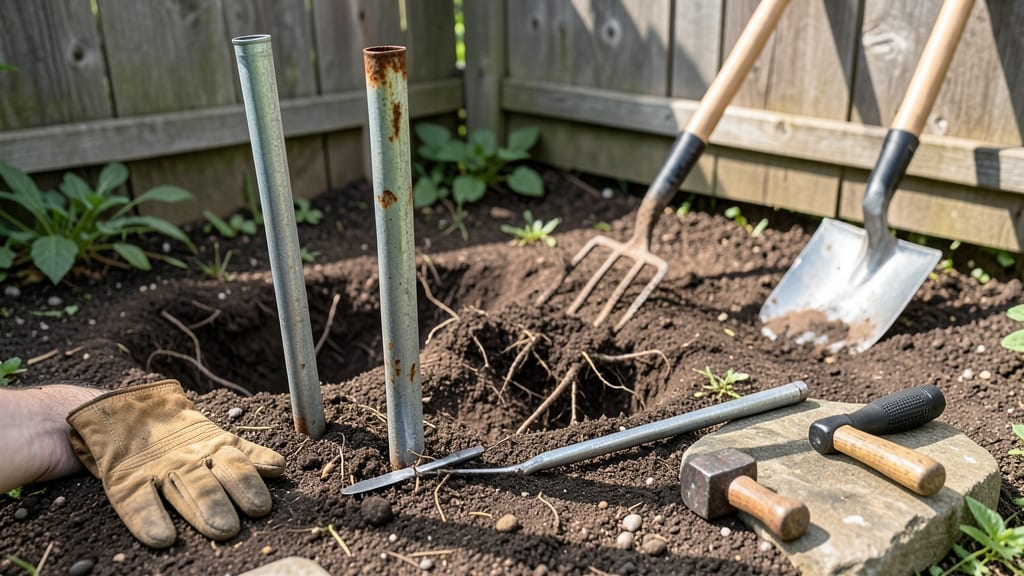
How to remove metal tree stakes from the ground without wrecking your garden—buried for years, they can turn into stubborn rusted obstacles, but the right tricks make it easy. 🌱 I’ve wrestled with these stubborn stakes for years, and the secret isn’t brute force but the right tools and technique to free them without damaging your soil.
You’ll need a sturdy pry bar, heavy-duty gloves, a hammer, and maybe a reciprocating saw for the toughest ones. The key is working the stake loose gradually, not yanking—rusted metal can snap, leaving jagged pieces behind. I’ve learned that patience and the right leverage save time (and your back).
By the end, you’ll have clean soil, no broken stakes, and a garden bed ready for replanting. The process leaves minimal disturbance, so your plants won’t even notice the stakes were ever there. Plus, you’ll know how to handle future stake removal like a pro.
For eco-conscious gardeners, crushed stakes can even go in the compost bin—just avoid galvanized ones with toxic coatings. Here’s how to tackle them safely and efficiently, so your garden stays healthy and your tools last.
📚 In This Guide
- What you need
- Instructions
- Tips and common mistakes
- Wrapping up and next steps
What you need
- ● Heavy-duty gloves (1 pair) – Protect your hands from sharp edges and debris. Opt for mechanics-grade or gardening gloves with reinforced palms.
- ● Sturdy pry bar (1, 12–18 inches long) – A flat-head or cat’s paw type works best for leverage. Look for one with a thick, heat-treated steel blade.
- ● Hammer or mallet (1) – A 16–20 oz rubber mallet is ideal to avoid damaging the stake or tools.
- ● Adjustable wrench or pliers (1) – Useful if stakes have bolts, nuts, or threaded ends.
- ● Shovel or digging bar (1) – A flat-edged garden shovel or mattok helps loosen compacted soil around the stake.
- ● Rope or bungee cord (1, 3–6 feet long) – Helps secure the stake while prying to prevent it from flying or twisting.
- ● Metal tree stakes – Confirm the material (galvanized steel, aluminum, or coated iron) to adjust force if needed.
- ● Lubricant (WD-40 or silicone spray) – Loosens rusted or stuck stakes with a quick spray.
- ● Knee pads – If you’ll be kneeling or working in awkward positions for extended periods.
- ● Safety goggles – Protects your eyes from flying debris, especially when using a hammer.
- ● Wheelbarrow or bucket – For collecting soil, rocks, or old stakes.
- ● Fire extinguisher (if near flammable materials) – A precaution if sparks fly during prying.
Step-by-step guide to safely extracting metal tree stakes
No need for brute force—here’s how to remove those stubborn stakes without bending or breaking them.
🪴 Step 1: Gather the Right Tools
Start with a sturdy pair of locking pliers or a hose clamp—these grip metal best without slipping. A flathead screwdriver or putty knife helps pry if the stake is partially buried. For deeply embedded stakes, a pry bar or digging fork works better. I always keep a glove handy too—rusty stakes can be rough on hands.
Check the stake’s condition first. If it’s bent or corroded, you’ll need extra leverage. A hammer can help loosen stubborn sections, but use it carefully to avoid damaging nearby roots or soil structure.
✂️ Step 2: Loosen the Stake Grip
Position your pliers or clamp about 2-3 inches above the ground where the stake meets the soil. Apply steady pressure to twist counterclockwise—this breaks the grip between metal and dirt. If the stake resists, wiggle it side to side while twisting. You’ll feel it give slightly when the soil loosens.
For rusted stakes, spray a bit of WD-40 or penetrating oil around the base and let it sit for 10-15 minutes. This softens the corrosion, making removal easier. Avoid forcing it—patience prevents bending the stake or damaging your tools.
🪴 Step 3: Dig or Pry as Needed
If the stake won’t budge, switch to a digging fork or pry bar. Insert the tool 1-2 inches away from the stake and dig down to loosen the surrounding soil. Work in small sections—don’t try to pry the entire stake at once. You’ll see soil break away when it’s ready.
For partially buried stakes, use the flathead screwdriver to wedge between the stake and soil. Tap gently with the hammer to create separation. If the stake bends, stop—it’s safer to cut it off at ground level with a hacksaw or bolt cutter than risk breaking tools or damaging roots.
💧 Step 4: Extract and Clean Up
Once the stake is loose, pull it straight up with steady pressure. If it’s still stuck, grip it firmly with pliers and twist while pulling. Check for broken pieces left in the ground—use the digging fork to remove any fragments to avoid future tripping hazards.
Clean the stake with a wire brush to remove dirt and rust. Store it in a dry place for reuse or recycle it if it’s damaged. Pat the hole with a handful of soil to smooth it out—no need to overfill, just level the area so it blends naturally.
⏰ Step 5: Prevent Future Sticking
Next time you plant, coat the stake with vegetable oil or silicone spray before inserting it. This creates a slick barrier that reduces friction with soil. I also like to tap stakes firmly into the ground with a hammer—this ensures they go in straight and stay put without fighting the soil.
For heavy clay soil, consider plastic or fiberglass stakes—they’re lighter and easier to remove later. Metal stakes are sturdy, but they pay back in effort during cleanup. A little prep now saves hours (and sore muscles) later.
Tips & tricks for removing stubborn metal tree stakes
These little tricks make all the difference when you're wrestling with metal stakes that refuse to budge.
Tool Selection Matters: Don't settle for just any pliers—locking pliers or a hose clamp gives you the grip you need to avoid slipping, especially with rusty or corroded stakes. I've found that a hose clamp actually works better than pliers for stubborn stakes because it applies even pressure all around the metal. For partially buried stakes, that flathead screwdriver you might have overlooked is your secret weapon—it creates leverage where pry bars can't reach.
The 10-15 Minute Oil Trick: That waiting time for WD-40 isn't just arbitrary—it's when the penetrating oil actually works its magic on rusted stakes. I learned this the hard way after struggling with a stake that wouldn't budge until I let the oil sit for the full 15 minutes. Pro tip: Spray the oil on the stake AND the surrounding soil where the metal meets dirt. This creates a lubricating barrier that helps break the bond between metal and earth.
Work in Small Sections: Trying to pry the entire stake at once is how you bend it or break your tools. Instead, focus on loosening just 1-2 inches at a time. I like to work in a clockwise-counterclockwise motion with the pry bar, rotating slightly as I go. This creates a spiral effect that gradually frees the stake without requiring brute force. Think of it like unscrewing a stubborn jar lid—patience and persistence pay off.
Safety First: Always check for broken pieces after extraction—those sharp metal fragments can be dangerous. I keep a small trowel handy to carefully dig around the hole after removal. And remember, if the stake starts bending, it's better to cut it off at ground level with a hacksaw than risk damaging your tools or nearby plant roots. That bolt cutter you might not use often is perfect for this job when stakes get too stubborn.
Pro Tips for Remove Metal Tree Stakes From Ground
- These little tricks make all the difference when you're wrestling with metal stakes that refuse to budge.
- Tool Selection Matters: Don't settle for just any pliers—locking pliers or a hose clamp gives you the grip you need to avoid slipping, especially with rusty or corroded stakes.
- The 10-15 Minute Oil Trick: That waiting time for WD-40 isn't just arbitrary—it's when the penetrating oil actually works its magic on rusted stakes.
Frequently asked questions
Got questions about removing those stubborn metal tree stakes? You’re not alone! Here are answers to the most common concerns to make the process smoother:
What’s the best tool to use if I don’t have a stake puller?
No stake puller? No problem! A sturdy pry bar or flat-head shovel works well—slide it under the stake and leverage upward. For extra grip, wrap a bungee cord around the stake and pull firmly. Just avoid wrenches or pliers, as they can damage the stake or bend it.
Should I remove tree stakes right after planting, or wait until the tree is established?
Timing matters! Remove stakes once the tree is stable (usually after 1–2 growing seasons) to avoid girdling the trunk. If removed too soon, the tree may rely on them for support. Check for sway—if it stands firm in wind, it’s ready for stake-free life!
Will removing metal stakes harm my young tree?
Not if done carefully! Stakes are meant to be temporary. Loosen the soil around the base first to prevent root disturbance. If the tree leans slightly afterward, it’s normal—just stake it lightly for a few weeks if needed. Avoid yanking the stake out; pry it free to protect roots.
Can I reuse metal tree stakes after removal?
Reusing stakes is eco-friendly! Clean them with a wire brush to remove rust or dirt, then store them in a dry place. Check for bends or sharp edges—if they’re still sturdy, they’re ready for another planting season. Just avoid rusted stakes, as they can corrode faster next time.
What if the stake is too rusted or broken to pull out?
Broken or rusted stakes? No worries! Use a hacksaw or bolt cutter to snip them at ground level, then pry out the remaining piece. If the stake shatters, leave small fragments—they’ll decompose over time. For deep rust, a vinegar soak can help loosen stubborn bits before pulling.
Wrapping up and next steps
Removing metal tree stakes doesn’t have to be a daunting task—with the right tools and techniques, you can tackle it efficiently and safely! Whether you’re using a pry bar, digging bar, or post puller, patience and leverage are your best friends. You’ve got this!
Now that you’re equipped with the know-how, why not take the next step? Reuse those stakes for your next gardening project or recycle them responsibly—every little effort helps keep your garden (and the planet) thriving! 🌱