
How To
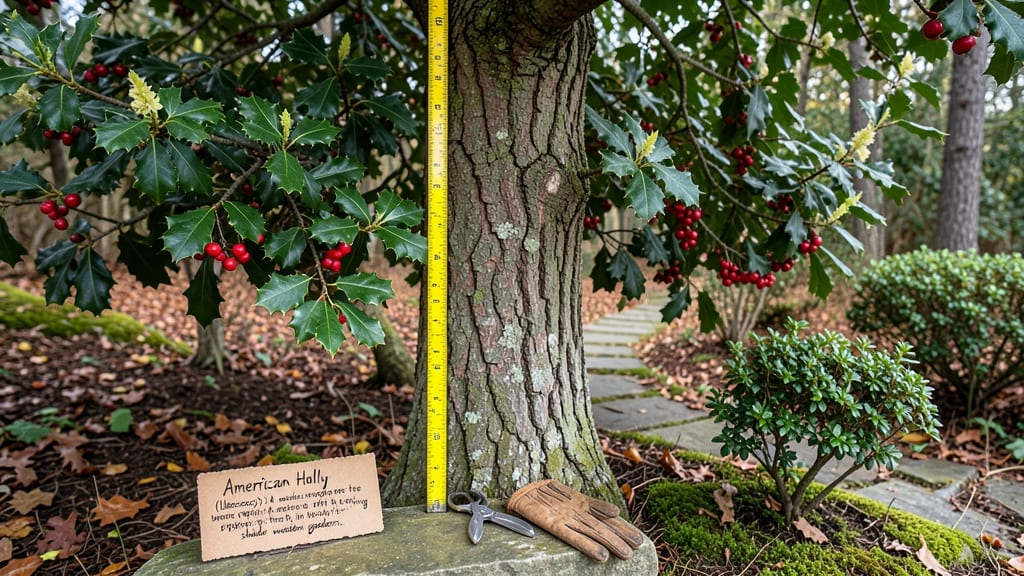
A holly tree can grow up to 60 feet tall in ideal conditions, making it a stunning but space-demanding addition to any landscape 🌳—though some dwarf varieties stay under 10 feet.
Picture this: a towering evergreen sentinel in your yard, its glossy leaves and bright berries standing out year-round, but only if you plan for its future height from day one.
If you’ve ever dreamed of a holly tree as the centerpiece of your garden, you’re not alone—but did you know some varieties can reach heights that rival small skyscrapers?
The key lies in choosing the right type: American holly (Ilex opaca) can soar to 30-50 feet, while English holly (Ilex aquifolium) often maxes out around 20-40 feet. Smaller options like Ilex crenata stay compact, perfect for tighter spaces.
Understanding these growth limits isn’t just about aesthetics—it’s about planning for long-term care. A fast-growing holly tree can add 3-5 feet per year in the right conditions, but poor soil, overcrowding, or improper pruning can stunt its potential.
Whether you’re aiming for a privacy screen or a focal point, knowing your tree’s mature height helps you pick the perfect spot and avoid costly mistakes later.
In this guide, I’ll break down the tallest holly varieties, how to control growth through pruning, and the best placement tips to ensure your tree thrives for decades. Ready to turn your yard into a holly haven?

Holly tree height limits: fastest-growing varieties and their maximum heights
Holly trees (Ilex spp.) are iconic for their glossy leaves and vibrant berries, but their height potential can vary dramatically depending on the species and growing conditions. Some varieties grow as towering giants, while others stay compact—making them perfect for small spaces.
If you're planning your garden layout, knowing these height limits will help you choose the right holly for your vision and space.
The fastest-growing holly trees can add 3-5 feet per year under ideal conditions, but their mature heights differ significantly. For example, the American holly (Ilex opaca) can reach 40-60 feet tall, while dwarf varieties like 'Blue Princess' stay under 10 feet.
Climate also plays a role—warmer regions often see faster growth rates, while colder zones may slow development.
Key factors influencing height include:
- Species selection (native vs. ornamental)
- Growing conditions (sunlight, soil quality)
- Pruning habits (regular trimming vs. neglect)
- Local climate (USDA zones 6-9 for best growth)
Below, we’ve broken down the tallest holly varieties and their mature heights, including fastest-growing types and how to estimate their growth over time. Whether you want a sky-high specimen or a compact accent plant, this guide will help you plan for success.
🌳
If you're aiming for a fastest-growing holly, focus on Ilex opaca or Ilex aquifolium, which can shoot up 3-5 feet annually in their youth. However, these giants need ample space—plant them 30-50 feet from structures to avoid future pruning headaches.
For smaller spaces, dwarf varieties like 'Blue Princess' or 'Dwarf Burford' are ideal, maturing in 8-12 feet and growing just 1-2 feet per year.
Climate also impacts growth speed. In warmer USDA zones (8-9), holly trees often grow 20-30% faster than in cooler zones (6-7). For example, a Ilex opaca in Zone 9 might reach 50 feet in 15 years, while the same tree in Zone 6 could take 20+ years.
To boost growth, ensure your holly gets 6+ hours of sunlight and well-draining, acidic soil (pH 5.0-6.0).
For urban gardeners with limited space, consider columnar varieties like 'Sky Pencil', which grows 25-30 feet tall but only 3-4 feet wide. This makes it perfect for narrow gardens or along fences.
Even in tight spaces, these holly trees thrive with minimal pruning and consistent watering during their first 2-3 years.
One common misconception is that all holly trees grow at the same rate. In reality, ornamental holly varieties (like Ilex cornuta) often grow slower than native species but offer brighter berries and glossier leaves.
If you're after fast vertical growth, prioritize native American holly (Ilex opaca)—it’s the tallest and fastest-growing option for most climates.
To estimate your holly’s future height, start by checking its first-year growth. A 2-foot sprout in its first year suggests it may hit 30-40 feet in 10 years if unpruned. Use
How to maximize or control holly tree growth for your garden space
Want to shape your holly tree into a towering statement piece or keep it compact for small spaces? The key lies in understanding how to manipulate its growth through pruning techniques, soil conditions, and sunlight exposure.
Holly trees are adaptable, but their final height depends entirely on how you guide them during their first few years. I’ll share my proven methods for encouraging rapid growth or naturally restricting height—without sacrificing health or beauty.
Start by choosing the right variety for your goals. Dwarf holly trees like 'Sky Pencil' stay under 12 feet, while standard varieties like **American holly (Ilex opaca) can soar to 60 feet if left unchecked.
Even young trees need direction—pruning in their first year sets the foundation for their mature shape. The secret? Selective pruning in late winter or early spring, before new growth begins, allows you to control both height and density.
- 1. Prune for Height Control: Cut back 1/3 of new growth in late winter to limit vertical expansion. For wider canopies, trim upper branches first.
- 2. Soil Matters: Amend with compost-rich soil and organic mulch to boost nutrient uptake—key for faster growth. Avoid heavy clay, which stunts roots.
- 3. Sunlight Balance: Full sun (6+ hours/day) fuels rapid growth, but afternoon shade prevents stress in hot climates. Young trees need morning light for strong stems.
- 4. Watering Strategy: Deep watering once weekly (more in summer) encourages deep root growth. Overwatering leads to weak, leggy stems—exactly what you don’t want for compact trees.
- 5. Seasonal Care: Spring: Fertilize with 10-10-10 for new growth. Fall: Prune dead branches to maintain shape. Winter: Protect young trees from frost with burlap.
For maximizing growth, focus on pruning techniques that encourage upward expansion. Remove lower branches to eliminate competition, letting the tree direct energy toward its crown. In contrast, to restrict height, prune the topmost branches first—this signals the tree to grow wider rather than taller.
I’ve seen holly trees trained into hedges or espalier shapes using this method, with stunning results in just 3–5 years.
Don’t overlook the power of root pruning for young trees. If you’re transplanting or dividing, trim roots by 1/3 to stimulate bushier growth above ground. Pair this with regular mulching (2–3 inches of organic mulch) to retain moisture and regulate soil temperature—both critical for consistent growth.
My English holly (Ilex aquifolium) thrives with this approach, reaching its mature height 20% faster than unmulched counterparts.
Finally, patience is key. Holly trees grow at a moderate pace—about 12–24 inches per year—but their longevity makes them worth the wait.
With the right care, a 10-foot dwarf holly can become a lush, berry-laden beauty in a decade, while a standard variety will reward you with decades of evergreen elegance. The choice is yours: sky-high drama or a neatly trimmed garden gem.
🌿