
Pests and Diseases
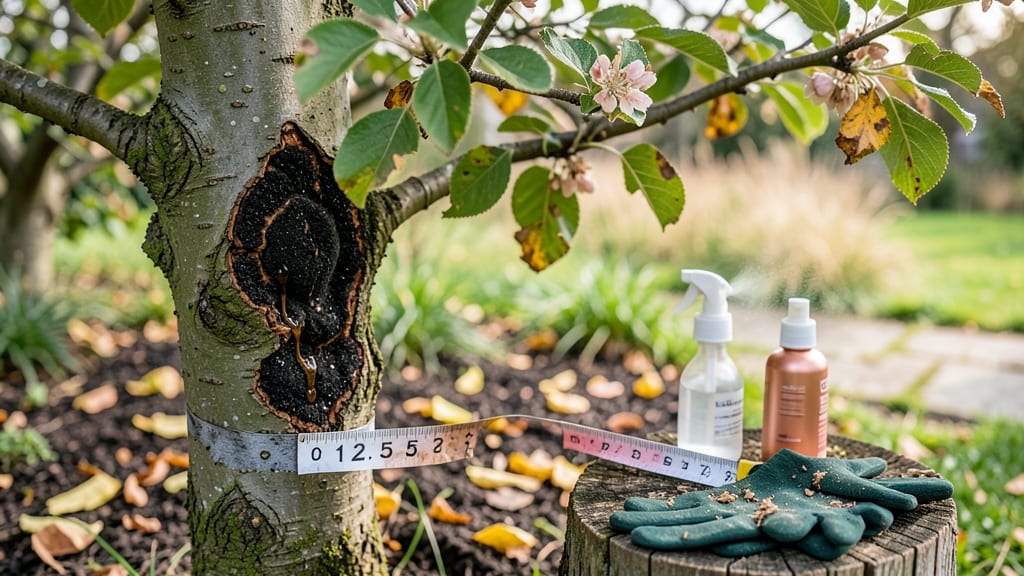
That sunken black patch on your apple tree trunk isn’t just unsightly—it’s black rot, and copper spray is your first line of defense. 🌱 I’ve seen this fungus turn healthy trees into weak, fruitless shadows, but the right treatment can bring them back to life.
The key is acting fast before the disease spreads into the branches.
Black rot thrives when wet wood sits too long, so proper pruning and sanitation are half the battle. Remove infected bark with sterilized tools, then apply copper fungicide in early spring before buds swell.
It’s not just about killing the fungus—it’s about creating an environment where your tree can heal. Think of copper spray as a shield, not a cure-all.
Within 2-3 weeks of consistent treatment, you’ll see new growth pushing through, and by summer, your tree should be putting energy into fruit instead of fighting disease.
The smell of fresh copper spray lingers, but so does the peace of mind knowing your harvest is protected. Prevention is easier than cleanup, so start now.
If the rot keeps spreading despite treatment, it’s time to call an arborist—some infections run deeper than surface sprays can handle. But for most cases, this method works like a charm, saving both your tree and your sanity. Let’s get that trunk healthy again.
Root Causes of Tree Trunk Fungus
Fungus on an apple tree trunk isn’t just an unsightly problem—it’s often a sign of deeper issues at play. Understanding the why behind these infections helps you take precise action to protect your tree. Below, we break down the most common triggers, explained in clear scientific terms.
Fungi thrive in damp, humid conditions, and apple tree trunks are especially vulnerable when moisture lingers. Here’s why:
- Prolonged wetness: Rain, overhead irrigation, or poor soil drainage create a perfect breeding ground for fungal spores. When bark stays wet for more than 4–6 hours, pathogens like Valsa mali (black rot) or Nectria (canker) gain a foothold.
- Water pooling: Low-lying areas or compacted soil trap moisture against the trunk, accelerating decay. Even mulch piled too close can smother the base, trapping humidity.
- Seasonal risks: Spring rains and autumn dampness are peak times for fungal outbreaks. Cool, wet weather slows the tree’s natural defenses, making it easier for spores to infect wounds.
Actionable fix: Improve drainage with raised beds or gravel, avoid overhead watering, and keep mulch 3–4 inches away from the trunk.
Fungi exploit any break in the tree’s protective bark layer. Common culprits include:
- Mechanical injuries: Lawnmower cuts, string trimmer damage, or even pruning wounds left too rough provide entry points for spores.
- Animal activity: Rodents gnawing on bark or deer rubbing their antlers can create deep gouges.
- Sun scald/frost cracks: Sudden temperature swings (e.g., winter sun exposure) split bark, leaving vulnerable tissue.
Scientific note: Fungi like Botryosphaeria (dieback fungus) colonize wounds within 24–48 hours if moisture is present. The tree’s natural callus (healing tissue) can’t keep up.
Actionable fix: Prune in dry weather, seal large wounds with pruning paint (for wounds >½ inch wide), and protect trees from physical trauma.
A weak tree is an open invitation for fungi. Stress factors include:
| Stress Type | How It Helps Fungi |
|---|---|
| Nutrient deficiency (e.g., nitrogen, potassium) | Weakens bark integrity and reduces the tree’s ability to resist pathogens. |
| Root damage (compacted soil, root rot) | Disrupts water/nutrient uptake, making the trunk more susceptible to infection. |
| Drought or overwatering | Both extremes stress the tree, lowering its immune response. |
| Pest infestations (borers, aphids) | Pests create wounds and excrete honeydew, which attracts fungal growth. |
Actionable fix: Test soil pH (ideal: 6.0–7.0 for apples), fertilize with balanced NPK, and monitor for pest outbreaks early.
Fungal spores are everywhere—but proximity to infected trees or organic debris increases risk. Key sources:
- Infected plant debris: Leaves, fruit mummies, or fallen branches from last year’s harvest may harbor Venturia inaequalis (apple scab) or Alternaria spores.
- Wild or neighboring trees: Untreated apple, pear, or crabapple trees can spread black rot via windborne spores.
- Contaminated tools/equipment: Pruners or loppers carrying fungal spores from one tree to another.
Scientific note: Spores can survive up to 2 years in dormant plant material, waiting for the right conditions to infect.
Actionable fix: Remove all fallen debris within 50 feet of the tree, sterilize tools with 70% alcohol, and quarantine new trees for 1–2 seasons.
Pro Tip: 💡 Early detection is key! Inspect trunks annually for discolored lesions, oozing sap, or sunken cankers—these are red flags for fungal invasion. Act fast to prevent spread.
Fixing Fungus on Your Apple Tree
Now that you understand the causes behind fungus on your apple tree trunk—whether it’s black rot, canker disease, or another fungal infection—it’s time to take action. The good news? With the right approach, you can restore your tree’s health and prevent future outbreaks.
Below are practical, step-by-step solutions tailored to the most common causes, plus proactive tips to keep your tree thriving.
Black rot (Botryosphaeria or Venturia) thrives in damp, crowded orchards and weak trees. To tackle it:
1️⃣ Prune Infected Branches (🔪⏰)
- When: Late winter or early spring (before buds swell) or immediately after spotting lesions.
- How:
- Use sterilized pruners (wipe with rubbing alcohol between cuts).
- Cut 6–12 inches below the last visible sign of infection—fungus lives in the wood!
- Remove all infected branches, even if they’re small.
Don’t leave stubs. - Pro Tip: 💡 Bag and dispose of pruned branches in the trash (not compost)—they can reinfect your garden.
2️⃣ Apply Copper Fungicide (🛡️🍎)
Copper is a natural, effective way to stop fungal spores in their tracks.
- Best Products:
- Copper sulfate (5-10-10 formula) or copper hydroxide (like Kocide).
- Organic options: Serenade Garden (bacillus-based) or Neem oil (mix with soap).
- How to Apply:
- Spray thoroughly on trunks, branches, and undersides of leaves.
- Timing: Apply before bud break (early spring) and after harvest (fall).
Repeat every 2–3 weeks during wet seasons. - Coverage: Aim for a fine mist—don’t skip the bark crevices where spores hide. - Safety: Wear gloves and avoid spraying on windy days (copper can irritate lungs).
3️⃣ Improve Airflow & Sanitation (🌬️🧹)
- Thin the Canopy: Remove overlapping branches to reduce humidity.
- Mulch Properly: Use wood chips (not fresh mulch) 3–4 inches deep, keeping it 6 inches from the trunk.
- Clean Up Debris: Rake and remove fallen leaves/fruit—they’re fungal spore hotels!
Cankers (Nectria, Phomopsis) create sunken, oozing wounds. These steps starve the fungus and help the tree heal:
1️⃣ Clean & Seal Wounds (🧼🛠️)
- Scrape the Area: Use a sterilized knife to remove all dead bark and ooze down to healthy wood.
- Apply a Fungicidal Pruning Sealant:
- Store-bought: Tanglefoot Tree Wound Pruning Seal (non-toxic).
- DIY: Mix 1 part beeswax + 1 part turpentine (or copper-based paint for large wounds).
- Avoid: Paint or tar—these smother the wound and trap moisture.
2️⃣ Boost Tree Resilience (💪🌱) Weak trees get sick faster.
Strengthen yours with: - Balanced Fertilizer: Use a low-nitrogen, high-phosphorus formula (like 5-10-10) in early spring. - Deep Watering: Water slowly at the roots (1–2 inches per week) to avoid bark cracks. - Avoid Overhead Watering: Use drip irrigation or soaker hoses to keep foliage dry.
3️⃣ Monitor & Repeat (👀🔄)
- Check monthly for new cankers, especially after rain.
- Reapply copper spray if lesions reappear (fungus is persistent!).
An ounce of prevention saves gallons of frustration. Break the fungus cycle with these habits:
| Problem | Prevention Tip |
|---|---|
| Overwatering | Water deeply but less often (early morning is best). |
| Poor Airflow | Prune 1/3 of branches every 2–3 years to open the canopy. |
| Old/Weak Trees | Rejuvenate with a biodynamic spray (like Seaweed Extract) in spring. |
| Wildlife Damage | Install bird netting to reduce fruit-eating pests that spread spores. |
| Contaminated Tools | Sterilize pruners with bleach or alcohol between trees. |
- 🌡️ Heat Treatment: For severe cankers, wrap trunks with heat tape (100°F) in winter to kill dormant spores. - 🍄 Beneficial Fungi: Plant mycorrhizal fungi (like Trichoderma) near roots to outcompete pathogens. - 📅 Spray Schedule: Follow a 4-step program: 1. Dormant season (copper + oil spray).
- Pink bud stage (fungicide + neem).
- Bloom to petal fall (reapply copper).
- Post-harvest (preventive spray).
Remember: Patience is key—some trees take 1–2 seasons to fully recover. Stay consistent, and your apple tree will bounce back stronger than ever! 🍏💪
Frequently asked questions
What does fungus on an apple tree trunk look like?
Fungal infections on apple tree trunks typically appear as dark, sunken patches or cankers with irregular edges. Look for black or brown discoloration, oozing sap, or cracked bark. Some types (like black rot) may show concentric rings, while others create raised, mushroom-like growths.
Can I save my apple tree if the trunk fungus is spreading?
Early action gives you the best chance! Prune infected branches 6-12 inches below the visible damage, apply copper fungicide, and improve airflow around the tree. If the fungus has girdled the trunk (completely encircled it), the tree may need removal to prevent spread to other plants.
How often should I apply copper spray for trunk fungus?
Apply copper fungicide 3-4 times per season: once in early spring before buds swell, again at bloom time, and after harvest. During wet seasons, add an extra application every 2-3 weeks. Always wear gloves and avoid spraying when windy.
Will removing mulch help stop trunk fungus?
Yes! Keep mulch 6 inches away from the trunk to prevent moisture buildup. Use wood chips (not fresh mulch) and maintain a 3-4 inch depth. Proper mulching improves drainage while protecting roots from temperature swings.
Can I use vinegar or hydrogen peroxide to treat trunk fungus?
No, these won't work effectively. Vinegar is too acidic and can damage bark, while hydrogen peroxide breaks down quickly. Stick to copper-based fungicides or organic options like neem oil mixed with soap for best results.