
Pruning
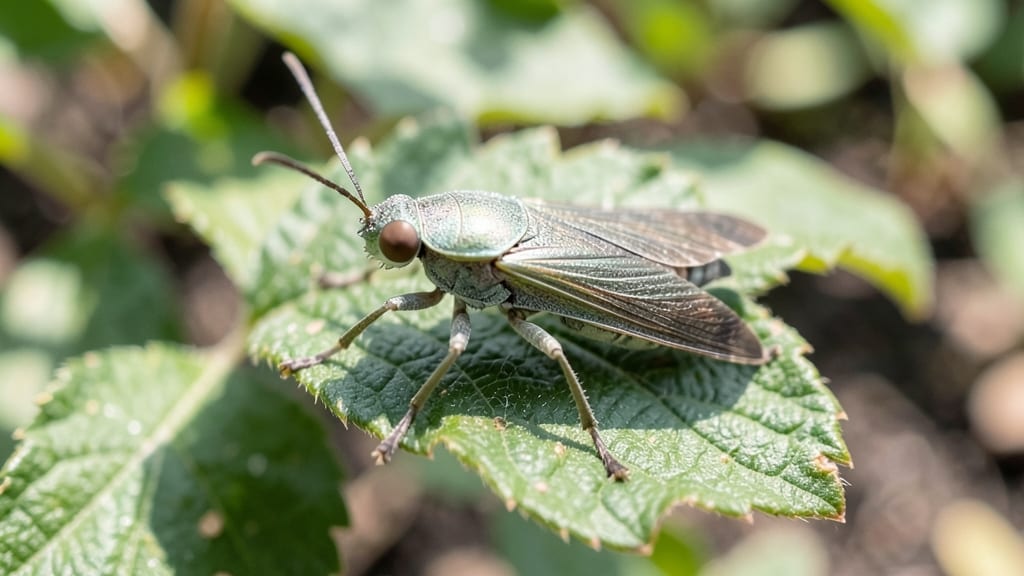
Elderberry tree bugs can turn your harvest into a chewed-up mess if you don’t act fast. 🌿 I’ve watched entire bushes get stripped bare by voracious pests, but organic control methods—like neem oil sprays and beneficial insect allies—can save your berries without harsh chemicals.
The key is catching infestations early, when damage is minimal and treatments work best.
The most common culprits are elderberry sawfly larvae, aphids, and Japanese beetles—all of which leave telltale signs like skeletonized leaves, sticky honeydew, or clusters of chewed berries.
Sawfly larvae, in particular, look like tiny green caterpillars with a distinctive black head, and they can devour foliage in days if left unchecked. Aphids, meanwhile, cluster on new growth, sucking sap and spreading sooty mold.
With the right approach, you can protect your harvest without sacrificing the health of your tree or the ecosystem around it. Neem oil disrupts pests’ life cycles, while introducing ladybugs or lacewings can provide natural predator support.
Pruning damaged branches in late winter also removes overwintering eggs and gives your tree a fresh start.
Seasonal timing matters—most pests hit hardest in late spring and summer, so stay vigilant during peak growth. A little prevention now means fewer headaches (and more berries) come harvest season. Let’s get your tree back on track!
Root Causes of Elderberry Tree Infestations
Elderberry trees are a gardener’s dream—until tiny invaders turn your harvest into a bug buffet. Understanding why these pests show up is the first step to keeping your tree thriving. Below, we break down the key reasons behind elderberry tree bug outbreaks, from environmental triggers to plant health signals.
A stressed elderberry tree is like an open invitation for bugs. When your tree isn’t at its best, pests like aphids, spider mites, and Japanese beetles swoop in for an easy meal. Here’s why this happens:
- Poor Soil Nutrition 🌿 Elderberries thrive in well-draining, nutrient-rich soil. If your soil lacks nitrogen, phosphorus, or organic matter, the tree’s immune system weakens. Actionable fix: Test your soil and amend it with compost or a balanced organic fertilizer (like 10-10-10) in early spring.
- Overwatering or Drought Stress 💦 Too much water suffocates roots, while drought causes wilting—both scenarios make trees vulnerable. Signs of stress: Yellowing leaves, stunted growth, or premature leaf drop. Actionable fix: Water deeply 1–2 times per week (adjust for climate) and mulch to retain moisture.
- Physical Damage ⚔️ Pruning wounds, storm damage, or even bird pecks create entry points for pests. Actionable fix: Seal pruning cuts with pruning sealant (like Tanglefoot) and avoid heavy pruning during peak pest seasons (late spring to summer).
Elderberry trees produce sweet, aromatic flowers and berries—a magnet for insects. But certain conditions make them extra appealing:
- Flowering Peaks 🌸 When elderberries bloom, they attract pollinators and pests like elderberry borers and sawfly larvae. Actionable fix: Monitor blooms closely and use row covers early in the season to deter adult pests before they lay eggs.
- Overripe or Damaged Berries 🍇 Soft, fermenting berries (from overripening or bird pecks) become a breeding ground for fruit flies and beetles. Actionable fix: Harvest berries promptly and remove fallen fruit to reduce attractants.
- Nearby Host Plants 🌳 Bugs like Japanese beetles and aphids often migrate from other plants (e.g., roses, grapes, or weeds) to elderberries. Actionable fix: Inspect surrounding plants for early signs of infestation and treat them preemptively.
Bugs don’t just appear—they follow predictable life cycles tied to elderberry growth stages:
| Pest | Peak Season | Why They Target Elderberries | Early Warning Signs |
|---|---|---|---|
| Aphids | Spring to early summer | New shoots are tender and nutrient-rich. | Sticky residue (honeydew), curled leaves. |
| Japanese Beetles | Late summer | Adults feed on leaves and flowers; larvae damage roots. | Skeletonized leaves, chewed petals. |
| Elderberry Borers | Summer to fall | Larvae tunnel into branches, weakening wood. | Sawdust-like frass at branch bases. |
| Spider Mites | Hot, dry weather | Thrive in drought-stressed trees. | Fine webbing, speckled yellow leaves. |
Actionable fix: Time your organic sprays (like neem oil or insecticidal soap) to target these peak periods—early morning or late evening for best results.
Not all elderberry trees face the same bug battles—local climate plays a huge role:
- Warm, Humid Summers 🌞 Mosquitoes, fungus gnats, and mites flourish in heat and moisture. Actionable fix: Improve airflow with strategic pruning and avoid overhead watering.
- Dry, Windy Conditions 💨 Drought-stressed trees attract borers and scale insects. Actionable fix: Install windbreaks and drip irrigation to maintain consistent moisture.
- Urban or Agricultural Surroundings 🏙️ Pesticide drift or nearby farms can introduce resistant bug strains. Actionable fix: Use organic, soft pesticides (like kaolin clay) to avoid chemical buildup.
Sometimes, our gardening practices accidentally encourage pests:
- Delayed Pruning ⏳ Leaving dead wood or dense canopies creates hiding spots for borers and beetles. Actionable fix: Prune in late winter/early spring to remove debris before bugs emerge.
- Ignoring Beneficial Insects 🐝 Ladybugs, lacewings, and parasitic wasps eat elderberry pests—but they need shelter. Actionable fix: Plant companion flowers (like dill or yarrow) to attract their predators.
- Over-Fertilizing with Synthetics 🚫 Chemical fertilizers can disrupt the tree’s natural defenses. Actionable fix: Switch to fish emulsion or worm castings for a gentler boost.
The best defense is proactive monitoring. Check your elderberry tree weekly for: ✅ New holes in stems (borers) ✅ Sticky leaves (aphids) ✅ Chewed edges (beetles) ✅ Webbing (mites)
When you catch pests early, organic controls (like neem oil or soapy water sprays) work far better than waiting for an infestation.
Natural Fixes for Elderberry Tree Pests
Now that you understand why those pesky critters are invading your elderberry trees, it’s time to take action—without chemicals! Below are targeted, organic solutions for common elderberry tree bugs, paired with prevention tips to keep your harvest safe and thriving.
Japanese beetles are a notorious nuisance, but they’re no match for these tricks:
🔥 Step 1: Set Up a DIY Trap
- Fill a bucket with soapy water and add a few drops of dish soap.
- Place it near your tree—beetles will drown when they land.
- Pro tip: 💡 Hang a few beer traps (beer + water in a jar) 10+ feet from the tree to lure them away.
🍳 Step 2: Handpick & Drop
- Early morning is prime time—beetles are sluggish and easy to pluck.
- Drop them into a bucket of soapy water or a sealed jar with rubbing alcohol.
🌿 Step 3: Plant Repellent Companions
- Interplant tall grasses, marigolds, or catnip—beetles avoid these scents.
- Bonus: 🌡️ Neem oil spray (1 tbsp neem oil + 1 tsp mild soap per quart of water) deters them without harming bees.
✨ Prevention Tip:
- Prune regularly to remove egg-laying sites (beetles target stressed branches).
- Water deeply—healthy trees resist pests better!
These tiny arachnids thrive in dry conditions but hate humidity:
👨🍳 Step 1: Blast Them Off
- Use a strong spray of water (early morning or evening) to dislodge mites from leaves.
- Pro tip: 🎯 Add a drop of castile soap to the water for extra stickiness.
🥘 Step 2: Encourage Predators
- Ladybugs and lacewings love spider mites—attract them with dill, fennel, or yarrow nearby.
🔪 Step 3: Neem Oil or Horticultural Oil
- Mix 1 tbsp neem oil + 1 tsp soap per gallon of water, spray undersides of leaves.
- Caution: Avoid spraying when bees are active.
🌿 Prevention Tip:
- Mulch with straw or grass clippings to retain moisture and deter mites.
- Avoid over-fertilizing—nitrogen-heavy soil attracts mites.
These caterpillar-like pests skeletonize leaves—act fast!
⏰ Step 1: Prune Infested Branches
- Cut and burn or compost heavily damaged leaves (don’t leave them near the tree).
- Pro tip: 💡 Prune in late winter to remove overwintering eggs.
🍳 Step 2: Use a Drop Cloth Trap
- Lay burlap or black plastic sheeting under the tree—larvae will drop to pupate.
- Shake branches gently to encourage them to fall.
🌿 Step 3: Introduce Parasitic Wasps
- Braconid wasps naturally control sawfly larvae—plant dill or parsley to attract them.
✨ Prevention Tip:
- Thin out dense foliage to improve airflow (larvae love shady, humid spots).
- Apply kaolin clay (food-grade) as a barrier—larvae avoid it!
Ants "farm" scale insects for honeydew—break the cycle!
🔥 Step 1: Wipe Off Scales
- Use a soft cloth dipped in rubbing alcohol to remove scales from branches.
- Pro tip: 🎯 Spray with soapy water (1 tsp mild soap per quart) to suffocate them.
👨🍳 Step 2: Block Ant Trails
- Diatomaceous earth (food-grade) or cinnamon powder around the tree trunk disrupts ant paths.
- Caution: Reapply after rain.
🌿 Step 3: Introduce Scale-Eating Beetles
- Ladybugs and lacewings devour scales—buy them online or attract them with flowering herbs.
💡 Prevention Tip:
- Keep grass trimmed around the tree base—ants nest in tall grass.
- Plant mint or cloves near the tree to repel ants naturally.
The best defense? A strong, resilient elderberry tree!
- 💧 Water deeply 1-2 times per week (drought stress attracts pests).
- 🌿 Mulch with wood chips (3-4 inches) to retain moisture and deter pests.
- 🍃 Fertilize lightly—too much nitrogen = pest magnet.
- 🔍 Inspect weekly—catch infestations early!
Final Thought: 🌟 Patience and consistency are key—most organic fixes take 2-4 weeks to show results. With these methods, your elderberry tree will stay bug-free and your harvest will stay pure, chemical-free, and delicious!
Frequently asked questions
What do elderberry sawfly larvae look like, and how can I tell if my tree has them?
Elderberry sawfly larvae appear as small, green caterpillars with a distinctive black head. They often cluster on leaves, skeletonizing them by eating only the soft tissue. Look for chewed leaves with lace-like patterns or green droppings on branches. These pests are most active in late spring and early summer, so check your tree during these peak times.
Are Japanese beetles harmful to elderberry trees, and how do I know if they're attacking mine?
Japanese beetles can cause significant damage by feeding on leaves and flowers. Look for chewed leaves with only the veins remaining or flower petals stripped away. Adult beetles are shiny, metallic green and bronze, about half an inch long. They're most active in late summer, so inspect your tree during this period. Their feeding weakens the tree and reduces fruit production.
Can I use neem oil on elderberry trees, and how often should I apply it?
Yes, neem oil is excellent for controlling many elderberry pests. Mix 1 tablespoon of neem oil with 1 teaspoon of mild soap per quart of water and apply it to the undersides of leaves where pests hide. Apply every 7-10 days during peak pest seasons (spring to summer), but avoid spraying when bees are active. Always test a small area first to ensure compatibility.
What should I do if my elderberry tree has aphids, and how can I prevent them from coming back?
Start by blasting aphids off leaves with a strong spray of water, then apply an insecticidal soap spray (1 tablespoon per quart of water). To prevent future infestations, attract natural predators like ladybugs and lacewings by planting dill, fennel, or yarrow nearby. Also, ensure your tree is well-watered and healthy, as stressed plants attract more pests.
Is it safe to eat berries from an elderberry tree that had pests last year?
Yes, elderberries from a previously infested tree are generally safe to eat, but thoroughly wash them before use. Most pests don't directly contaminate the berries themselves. However, if you notice visible damage or mold on the fruit, remove those berries. Focus on preventing future infestations through proper pruning, organic sprays, and beneficial insect support to ensure a healthy harvest.