
Pruning
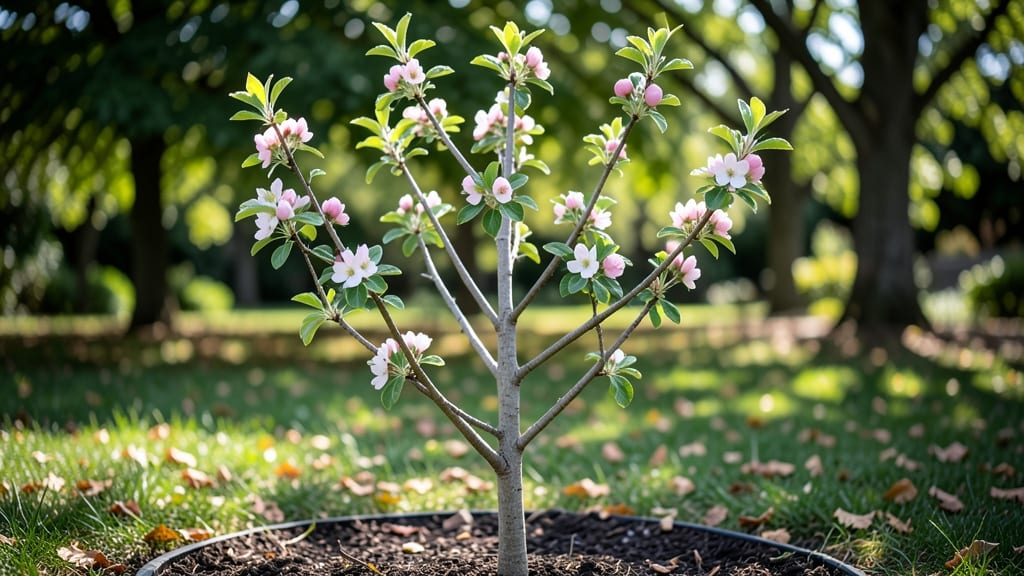
Planting a crabapple tree sapling transforms your yard into a four-season showpiece—spring blossoms, summer shade, and fiery fall foliage that lasts until winter. 🌳 I learned the hard way that the wrong soil or spot can stunt growth, so I’ve narrowed down the cold-hardy varieties that thrive with minimal fuss and deliver stunning year-round interest.
The secret starts with well-draining soil mixed with compost—no heavy clay—and a sunny location where roots can spread without competing with turf. Water deeply once a week for the first year, then taper off as the tree establishes itself.
Prune in late winter to shape the canopy and remove dead wood, but leave the flower buds intact for that iconic spring display. By year three, you’ll have a vibrant, disease-resistant tree that outshines store-bought ornamentals.
The right variety (like ‘Adams’ or ‘Royalty’) even attracts pollinators and birds, turning your yard into a mini ecosystem. Here’s how to set it up for success from day one.
Most gardeners overlook soil pH—aim for 6.0 to 7.0—and mulch properly to retain moisture. A 3-inch layer of mulch (wood chips or pine straw) keeps roots cool in summer and insulated in winter.
Fertilize lightly in early spring with balanced 10-10-10, but skip heavy feeding—crabapples grow best when you let them focus on structure over fruit. Watch for fire blight or apple scab, common fungal issues, by pruning infected branches 6 inches below the damage and sterilizing tools between cuts.
With the right care, your sapling will grow 6 to 12 feet tall in its first decade, becoming the centerpiece of your landscape.
Cold-hardy varieties like ‘Centennial’ or ‘Dolgo’ handle Zone 3 winters without flinching, making them perfect for northern climates. For milder areas, ‘Sargent’ offers deep red fruit that birds adore.
The key is patience—these trees take 3 to 5 years to reach full bloom potential, but the wait is worth it for that showstopping spring canopy. Start with a 1- to 2-gallon sapling for easiest transplanting, and avoid planting near sidewalks where roots might crack pavement.
With the right spot and care, your crabapple will outlive you—and still look stunning doing it.
📚 In This Guide
- What you need
- Instructions
- Tips and common mistakes
- Wrapping up and next steps
What you need
- ● Crabapple tree sapling: 1–3 saplings (choose cold-hardy varieties like 'Adirondack', 'Dolgo', or 'Sargent' for year-round resilience).
- ● Pruning shears: 1 pair (bypass pruners, 6–8" blades, sharp and clean).
- ● Loppers: 1 pair (for thicker branches, 8–12" cutting capacity).
- ● Hand pruners: 1 pair (for precision cuts on small branches).
- ● Pruning saw: 1 (for branches >1" thick, 10–12" curved blade).
- ● Rubbing alcohol (70% isopropyl): 1 small bottle (to sterilize tools between cuts).
- ○ Pruning sealant: 1 tube (optional but recommended for cuts >½").
- ● Gloves: 1 pair (heavy-duty gardening gloves for protection).
- ● Tarp or drop cloth: 1 (to collect debris and protect the ground).
- ● Water spray bottle: 1 (to clean tools and sap off cuts).
- ● Extension pole pruners: 1 (for high branches, 3–6' reach).
- ● Ladder: 1 (if sapling is >6' tall, ensure it’s stable and rated for your weight).
- ● Tree wound dressing: 1 (alternative to sealant, like Tanglefoot).
- ● Marking twine or flags: 1 roll (to tag branches for removal).
- ● Notebook & pen: 1 (to sketch pruning plans or note progress).
- ● First-aid kit: 1 (for minor cuts or scrapes—safety first!).
Step-by-step guide to planting and caring for crabapple tree saplings
Here’s how to establish your cold-hardy crabapple sapling for decades of seasonal interest—from spring blossoms to autumn color.
🌱 Step 1: Choose the Perfect Planting Site
Crabapple trees thrive in full sun—select a location with at least 6-8 hours of direct sunlight daily. Avoid low spots where cold air pools, as these saplings need good airflow to prevent fungal diseases. I always check the site’s drainage by digging a 12-inch hole—if water pools after 30 minutes, amend the soil with 2-3 inches of organic matter (like compost) to improve drainage.
Test the soil pH with a simple test kit—crabapples prefer slightly acidic to neutral soil (pH 6.0–7.0). If your soil is too alkaline, mix in sulfur or peat moss before planting. The root flare (where the roots meet the trunk) should sit 1-2 inches above ground level—burying it too deep suffocates the tree.
🪴 Step 2: Plant with Care for Long-Term Stability
Dig a hole twice as wide as the root ball but no deeper—this encourages roots to spread horizontally for stability. Gently remove the sapling from its container and loosen any circling roots with your fingers. Place it in the hole so the root flare is visible above soil level, then backfill with native soil, tamping lightly every 6 inches to eliminate air pockets.
Water deeply immediately after planting to settle the soil and eliminate gaps. A 5-gallon bucket of water should soak the root zone completely. Mulch the base with 2-3 inches of wood chips, keeping mulch 6 inches away from the trunk to prevent rot. Real talk: Skipping mulch in the first year leads to soil crusting and poor root establishment.
☀️ Step 3: Water and Fertilize for Strong Early Growth
Water once a week for the first month, then taper to every 10-14 days unless rainfall provides 1 inch of moisture. Overwatering in the first year causes root rot—always check soil moisture by digging 2 inches down with a trowel. If it’s damp, wait before watering again.
Apply a balanced, slow-release fertilizer (10-10-10) in early spring and again in midsummer. Use ½ pound per 100 square feet of root zone. Avoid high-nitrogen fertilizers—they promote leafy growth at the expense of structural strength. Young crabapples need 2-3 years to establish before they tolerate heavy pruning, so focus on removing only dead or crossing branches.
✂️ Step 4: Prune for Shape and Health in Late Winter
Prune dormant trees in late winter (February–March) before new growth begins. Remove 1/3 of the smallest branches to open the canopy and improve airflow. Cut just outside the branch collar (the swollen area where the branch meets the trunk) to prevent stubs. I always sterilize pruners with rubbing alcohol between cuts to avoid spreading disease.
Watch for suckers (shoots growing from the base)—remove them immediately to direct energy into the main trunk. Thin out crowded branches to reduce competition for sunlight. This is the moment that matters: Proper pruning now ensures your crabapple develops a strong, balanced structure for years to come.
⏰ Step 5: Protect and Monitor Through the Seasons
In winter, wrap the trunk with tree guard if your climate drops below -10°F to prevent sunscald. Young bark is sensitive to temperature swings. During summer, monitor for apple scab or cedar-apple rust—common fungal diseases. Spray preventatively with copper fungicide in early spring if your area has a history of these issues.
After 3-4 years, your sapling will start flowering. At this point, you can thin out 25% of the blossoms to encourage larger fruit and reduce stress on the tree. Here’s the thing—crabapples are low-maintenance once established, but these first few years set the stage for a healthy, long-lived tree.
Tips & tricks for planting cold-hardy crabapple saplings
These practical insights will help you avoid common pitfalls and maximize your sapling's long-term success.
Site Selection Wisdom: When evaluating potential planting spots, consider both sunlight exposure and wind patterns. While the instructions specify 6-8 hours of sunlight, I've found that sites with afternoon shade (especially in hot climates) can actually extend your tree's lifespan by reducing stress. Also, avoid planting near large evergreens—their root competition can stunt your crabapple's growth during those critical first years.
Root Ball Preparation: The instructions emphasize loosening circling roots, but here's what nobody tells you—soak the root ball in water for 15-20 minutes before planting. This pre-watering helps prevent transplant shock and ensures the roots make immediate contact with moist soil. I've seen saplings with dry root balls struggle for months to recover, while pre-soaked ones establish roots within weeks.
Seasonal Planting Strategy: While spring is ideal, fall planting (4-6 weeks before first frost) can actually give your sapling an advantage in colder climates. The cooler temperatures reduce transplant shock, and the tree establishes roots before winter dormancy. Just be sure to water thoroughly before the ground freezes—this creates a protective ice barrier around the roots.
Mulch Mastery: The 2-3 inches of wood chips mentioned is perfect, but here's the secret: refresh your mulch annually in late winter. Over time, mulch breaks down and compacts, losing its insulating properties. A fresh layer each year maintains proper temperature regulation and prevents soil crusting. I also recommend using shredded bark mulch—it holds moisture better than wood chips and resists clumping.
Pro Tips for Crabapple Tree Sapling
- These practical insights will help you avoid common pitfalls and maximize your sapling's long-term success.
- Site Selection Wisdom: When evaluating potential planting spots, consider both sunlight exposure and wind patterns.
- Root Ball Preparation: The instructions emphasize loosening circling roots, but here's what nobody tells you—soak the root ball in water for 15-20 minutes before planting.
Frequently asked questions
Got questions about growing and maintaining your crabapple tree sapling? You’re not alone! Here are answers to the most common queries to help you nurture a thriving, cold-hardy beauty in your yard.
When is the best time to plant a crabapple sapling?
The ideal window is early spring or fall—when soil is workable but not frozen. Planting in late fall (6+ weeks before frost) gives roots time to establish before winter. Avoid extreme heat or drought periods, as young saplings need consistent moisture to take hold.
How cold-hardy are crabapple saplings, and do they need winter protection?
Most cold-hardy varieties (like 'Adirondack' or 'Sargent') tolerate zones 3–7. Young saplings (under 3 years) benefit from a 3-inch layer of mulch around the base to insulate roots. Wrap the trunk with burlap if your winters are brutally harsh (<10°F) to prevent sunscald.
How and when should I prune a young crabapple sapling?
Prune in late winter or early spring (before buds swell) to shape the tree and remove dead/diseased branches. Use sterilized tools to cut at a <45° angle just above a bud. Avoid heavy pruning—focus on 10–20% of the canopy per year to encourage strong growth.
Are crabapple saplings prone to pests or diseases, and how do I prevent them?
Watch for apple scab, fire blight, or codling moths. Prevent issues with proper spacing (15–25 ft apart) for airflow, regular pruning to remove infected branches, and organic fungicides (like neem oil) if needed. Resist over-fertilizing—it attracts pests!
Can I grow a crabapple sapling in a container, or does it need to be planted in the ground?
While possible in large containers (20+ gallons), crabapple saplings thrive best in the ground. Their roots grow aggressively, and containers limit growth. If you must pot it, use well-draining soil and repot every 2–3 years. Expect slower growth and smaller fruit yields.
Will my crabapple sapling produce edible fruit, and how long until harvest?
Most ornamental crabapples have small, tart fruit (great for jellies or wildlife!). It takes 3–5 years for saplings to bear fruit, and full production occurs at 5–10 years. Choose varieties like 'Dolgo' or 'Centennial' for sweeter, larger fruit.
Wrapping up and next steps
Adding a crabapple tree sapling to your landscape is a rewarding choice—these cold-hardy varieties bring year-round beauty with minimal fuss! From vibrant blooms to striking fall foliage and even winter interest, they’re a low-maintenance way to elevate your outdoor space.
Whether you’re a seasoned gardener or just starting, these resilient trees thrive with the right care, making them a perfect project for any skill level.
Ready to get started? Pick your favorite variety, gather your tools, and plant your sapling this season—your future garden will thank you! 🌳✨