
Pruning
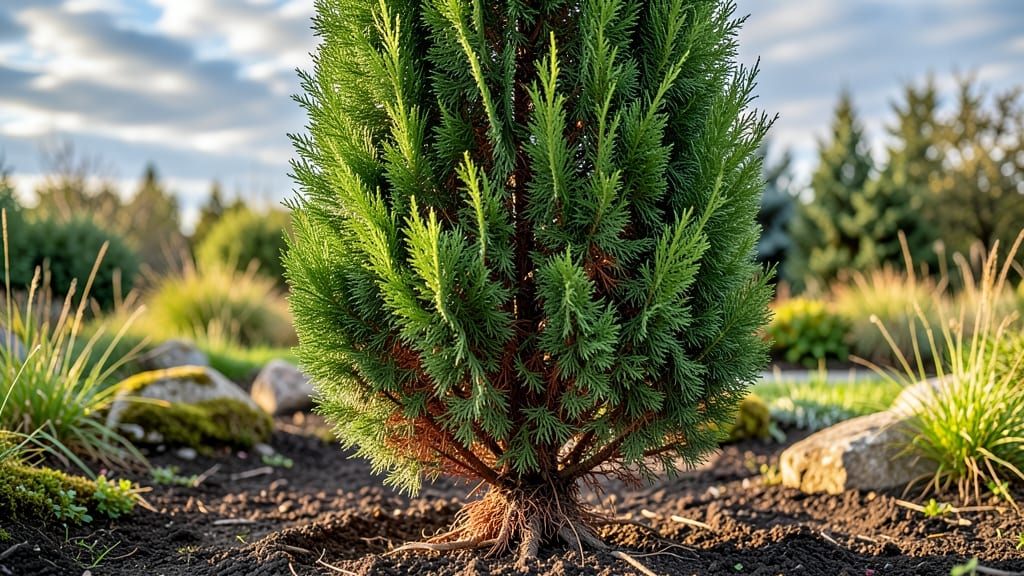
Growing a Christmas tree Leyland means fast, lush privacy that doubles as holiday magic. 🌲 These towering evergreens shoot up 3-4 feet per year, turning bare yards into year-round green walls within a decade.
My first Leyland went from a 6-foot sapling to a 20-foot screen in just five seasons—no exaggeration. The secret lies in its love for full sun and well-draining soil.
Plant in early spring when roots can establish before summer heat, and space them 6-10 feet apart for that classic Christmas-tree shape. They thrive in zones 6-10, but even in cooler climates, their dense foliage blocks wind and noise like nothing else.
By winter, you'll have a fragrant, evergreen backdrop that smells like a holiday card came to life. Prune lightly in late winter to maintain shape, and watch how neighbors stop to admire your instant landscape—no waiting years for slow growers.
Bonus: Harvest individual trees for Christmas use (they shed needles less than Fraser firs), then let them regrow. It's the only plant that gives you both privacy and holiday cheer without the annual hassle.
📚 In This Guide
- What you need
- Instructions
- Tips and common mistakes
- Wrapping up and next steps
What you need
- ● Pruning shears or loppers: Sharp, high-quality shears (bypass or anvil) with a 20-24 inch blade length for clean cuts.
- ● Hand pruners: For smaller branches (¼ inch or less in diameter).
- ● Ladder or step stool: A sturdy, 6-10 ft extendable ladder (or a 3-4 ft step stool for shorter trees).
- ● Gloves: Heavy-duty gardening gloves (preferably nitrile-coated for grip and protection).
- ○ Disinfectant (optional but recommended): 70% isopropyl alcohol or a pruning sealant (e.g., Tanglefoot Tree Wound Pruning Sealer) to prevent disease.
- ● Trash bags or bucket: For collecting pruned branches (aim for 10-30 gallons capacity, depending on tree size).
- ● Work apron or old clothes: Leyland cypress sap can stain!
- ● Pole saw: For high branches (up to 12 ft reach) if your ladder isn’t tall enough.
- ● Safety glasses: Protect your eyes from debris.
- ● Knee pads: For comfort during long pruning sessions.
- ● String or measuring tape: To mark pruning lines for a uniform shape.
- ● Hose or spray bottle: To clean tools and rinse sap off gloves.
How to plant and care for a Leyland cypress privacy screen
This evergreen grows 3-4 feet per year—perfect for quick privacy that stays lush all year.
🪴 Step 1: Choose the Right Location and Dig Holes
Leylands thrive in full sun to partial shade with well-draining soil. I always pick a spot where they’ll get at least 6 hours of sunlight daily—their vibrant green color fades without enough light. Mark your planting spots 6-10 feet apart (closer for denser screens).
Dig holes twice as wide as the root ball and just as deep. Loosen the sides of the hole with a shovel so roots can spread easily. If your soil is heavy clay, mix in 2 inches of compost at the bottom to improve drainage. Leylands hate soggy roots, so avoid low spots where water pools.
🌱 Step 2: Plant with Proper Spacing and Support
Remove the tree from its container and gently loosen the roots if they’re circling. Place the root ball in the hole so the top of the root ball sits 1 inch above ground level—this prevents rot over time. Fill the hole with native soil, pressing lightly to remove air pockets but not compacting too tightly.
Water deeply right after planting to settle the soil. I always add a 2-inch layer of mulch around the base (but not touching the trunk) to retain moisture and keep roots cool. Stake young Leylands if your area gets windy—they can lean without support until established.
☀️ Step 3: Water and Fertilize for Fast Growth
Water newly planted Leylands 2-3 times per week for the first month, keeping the soil evenly moist but not soggy. After that, water deeply once a week unless it’s unusually dry. You’ll know they’re getting enough water when the soil feels damp 4 inches down.
Feed with a balanced 10-10-10 fertilizer in early spring and again in midsummer. I skip fall fertilization—Leylands focus on root growth then, and extra nutrients can stress them. Prune lightly in late winter to shape, but avoid heavy cuts that expose old wood.
✂️ Step 4: Prune and Maintain for Year-Round Appeal
Shape your Leyland screen in late winter or early spring before new growth starts. Use clean, sharp shears to trim back no more than 1/3 of the new growth at a time. This keeps the tree dense and encourages bushy growth. Never prune into old, bare wood—they won’t regrow there.
Check for pests like spider mites or bagworms in early summer. A strong spray of water usually clears mites, while handpicking bagworms (they look like little bags) prevents major damage. Leylands are tough once established, but consistent care keeps them looking their best for decades.
Tips & tricks for perfect Christmas tree Leyland privacy screens
Took me a while to figure these out, so here's how to get the most out of your fast-growing privacy screen.
Sunlight Strategy: Those 6 hours of sunlight are non-negotiable for that vibrant green color, but here's the thing—morning sun is actually better than harsh afternoon rays. If your yard gets intense afternoon sun, consider planting Leylands where they get morning sun and afternoon shade. This prevents leaf scorch while still giving them enough light to grow their 3-4 feet per year.
Root Ball Placement: That 1-inch elevation above ground level in Step 2 isn't just about preventing rot—it's also about drainage. If your soil is particularly heavy, you can even create a small mound when planting to ensure water runs away from the roots. I've seen Leylands struggle in low spots where water pools, even with compost mixed in.
Watering Wisdom: The 2-3 times per week for the first month might seem like a lot, but trust me on this: Leylands establish their root systems quickly, and consistent moisture during this period makes all the difference. I use a moisture meter to check that 4 inches down—it's the only way to know for sure you're not overwatering or underwatering. Once established, they're surprisingly drought-tolerant.
Pruning Precision: When you're trimming back no more than 1/3 of the new growth in Step 4, focus on shaping from the bottom up. This creates that beautiful Christmas tree silhouette and encourages new growth at the base. I always prune just after the tree has finished its spring flush of growth—this timing gives you the most foliage to work with and minimizes stress on the tree.
Pro Tips for Christmas Tree Leyland
- Took me a while to figure these out, so here's how to get the most out of your fast-growing privacy screen.
- Sunlight Strategy: Those 6 hours of sunlight are non-negotiable for that vibrant green color, but here's the thing—morning sun is actually better than harsh afternoon rays.
- Root Ball Placement: That 1-inch elevation above ground level in Step 2 isn't just about preventing rot—it's also about drainage.
Frequently asked questions
Got questions about your Christmas Tree Leyland? We’ve got answers! Whether you’re pruning for the first time or troubleshooting growth issues, here’s what you need to know.
How often should I prune a Christmas Tree Leyland for optimal growth?
Prune your Leyland cypress once a year, ideally in late winter or early spring (February–March). Light trimming can also be done in summer to shape it, but avoid heavy cuts then. Over-pruning weakens the tree, so aim for no more than 1/3 of the new growth per year.
How long does it take for a Leyland cypress to grow into a full privacy screen?
With fast growth (2–3 feet per year), a Leyland cypress can reach 10–15 feet tall in 5–7 years. For a 10-foot-tall screen, expect 3–5 years of growth. Planting multiple trees in a row speeds up coverage—just space them 3–5 feet apart.
Do Christmas Tree Leylands lose their needles in winter? Should I worry?
Leylands are evergreens and retain needles year-round, but drought or cold snaps can cause temporary browning. If needles turn brown and crispy, it’s likely winter burn—water deeply in late fall to prevent it. Avoid heavy pruning in winter, as new growth is vulnerable to frost.
What’s the best way to prune a Leyland cypress to keep it dense and healthy?
Use sharp, clean pruners to make angled cuts just above a leaf node (where branches meet the trunk). Focus on inner branches to improve airflow and sunlight penetration. Avoid "lion’s tailing" (cutting all branches back to stubs)—this stresses the tree. For a Christmas tree shape, taper cuts slightly wider at the bottom.
Can I use Leyland cypress as a hedge instead of a privacy screen?
Leylands make stunning hedges with their dense, lush foliage. To maintain a hedge shape, prune twice a year—once in spring and again in summer. Keep the height uniform by trimming the top first, then shaping the sides. For a formal look, use a hedge trimmer with guiding strings.
Why are the tips of my Leyland cypress turning brown?
Brown tips usually signal underwatering, overwatering, or pest damage. Check the soil—it should be moist but not soggy. Spider mites or bagworms can also cause browning. Treat with neem oil or insecticidal soap if pests are suspected. Fertilize lightly in spring to encourage healthy growth.
Wrapping up and next steps
Transforming your space with a Christmas Tree Leyland isn’t just about instant privacy—it’s about adding timeless beauty to your outdoor oasis. 🌲 Whether you’re pruning for shape, health, or holiday cheer, this evergreen gem delivers year-round elegance with minimal fuss.
Ready to take the next step? Start small with a single plant or plan a full hedge—your future self (and your neighbors!) will thank you.
Next up:
- 📅 Schedule your first pruning session in early spring or late fall for best results.
- 🛒 Grab your tools (from the Materials & Requirements section) and get growing!