
Diseases
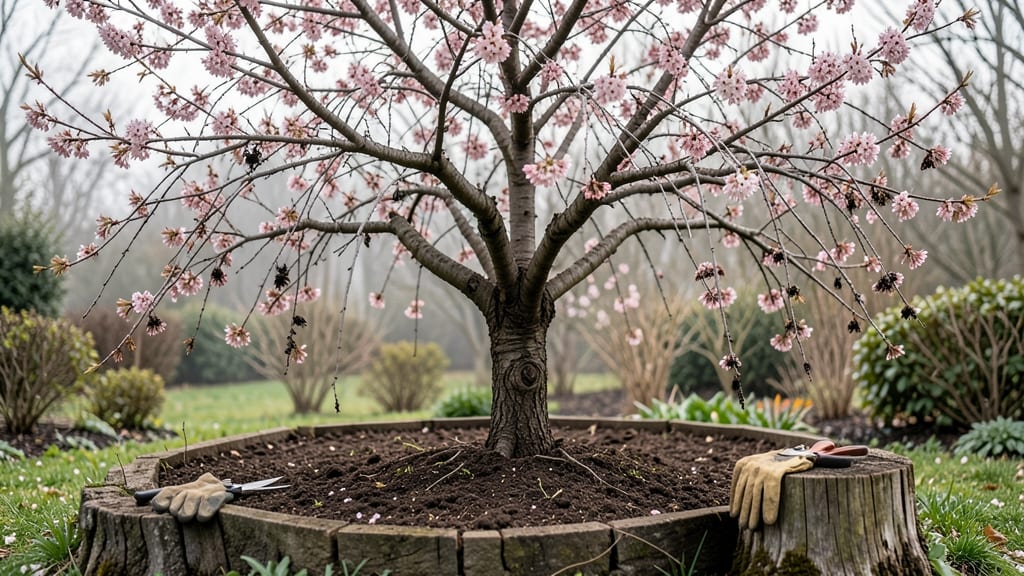
Cherry blossom trees can look stunning one season and suddenly wilt the next—often because fungal or bacterial diseases sneak in unnoticed. 🌸 I’ve seen bacterial canker turn vibrant blooms into blackened branches overnight, and powdery mildew smother leaves until they crisp.
The key to saving your tree isn’t just treating symptoms—it’s catching these threats early, before they spread. Most diseases start with stress: poor drainage, overwatering, or weak branches create perfect entry points.
I learned the hard way when my tree’s first signs of leaf spots went ignored until it was too late. The good news? Many issues respond well to pruning, fungicides, or even just better watering habits.
A quick inspection of the bark, leaves, and buds can reveal the problem before it worsens. With the right approach, you can restore your tree’s health and keep those iconic blossoms coming back year after year.
The first step is knowing what to look for—dark spots, oozing cankers, or white powdery coatings are all red flags. Let’s tackle this before your tree’s beauty fades for good.
Root Causes Behind Blossom Woes
Cherry blossom trees—those stunning symbols of spring—can fall victim to diseases that steal their beauty and vitality. Understanding why these issues arise is the first step to protecting your trees. Below, we break down the key factors that create the perfect storm for fungal and bacterial infections.
Fungi thrive in moisture-rich environments, and cherry blossoms often face outbreaks when humidity or water stagnation lingers. Here’s how it happens:
- Poor Drainage: Compacted or clay-heavy soil traps excess water at the roots, creating a fungal buffet. Botrytis cinerea (gray mold) and Monilinia spp. (brown rot) flourish in these soggy conditions.
- Overhead Watering: Sprinkling leaves (especially in evening hours) keeps foliage damp for extended periods, inviting powdery mildew (Podosphaera spp.) to spread like a white blanket.
- Rainy Seasons: Prolonged wet weather without airflow disrupts the tree’s natural defenses, allowing spores to germinate and infect wounds or blossoms.
💡 Pro Tip: Space watering sessions to morning hours and avoid wetting leaves. Improve soil drainage with organic matter like compost or sand.
Bacterial diseases like Pseudomonas syringae (bacterial canker) and Xanthomonas campestris (bacterial spot) exploit open wounds—often caused by pruning, storms, or insect damage. Here’s the chain reaction:
- Pruning Cuts: Tools left unsterilized or jagged cuts create entry points. Bacteria seep in, multiplying in the moist, nutrient-rich tissue.
- Hail or Wind Damage: Physical trauma tears bark, exposing inner layers to infection. P. syringae thrives in these fresh injuries, especially in cool, wet climates.
- Insect Activity: Sap-sucking pests (e.g., aphids) leave puncture wounds that bacteria colonize. Their sticky residue also traps spores, worsening fungal risks.
🔥 Action Step: Sterilize pruners with 70% isopropyl alcohol between cuts, and seal wounds with pruning paint (for cankers) to block bacterial entry.
Environmental or cultural stress lowers a tree’s immunity, making it easier for pathogens to take hold. Common stressors include:
| Stressor | How It Opens the Door |
|---|---|
| Nutrient Deficiencies | Lack of nitrogen, phosphorus, or micronutrients (e.g., zinc) stunts growth, leaving tissues thin and vulnerable. Example: Yellowing leaves signal nitrogen deficiency, weakening the tree’s fungal resistance. |
| Improper Pruning | Over-pruning or cutting too late in the season (after bloom) stresses the tree, reducing energy for healing. Result: Slower wound closure = more infection sites. |
| Competition for Resources | Grass, weeds, or nearby plants compete for water/nutrients, forcing the tree to divert energy away from disease prevention. |
| Extreme Temperatures | Frost damage or heatwaves shock the tree, creating stress points where pathogens like anthracnose (Colletotrichum spp.) can invade. |
✨ Prevention Tip: Conduct a soil test every 2–3 years to address deficiencies. Mulch around the base (2–4 inches deep) to retain moisture and suppress weeds.
By addressing these root causes—moisture, wounds, and stress—you’ll disrupt the conditions that let diseases thrive. Early intervention isn’t just about treating symptoms; it’s about breaking the cycle before it starts.
Quick Fixes for Cherry Tree Woes
When your cherry blossom tree shows signs of distress, acting fast can mean the difference between a full recovery and irreversible damage. Below, we’ve mapped out practical, step-by-step solutions for the most common fungal and bacterial threats, along with prevention tips to keep your tree thriving.
Think of this as your emergency repair kit—easy to follow, no green thumb required!
Fungi thrive in damp conditions, so drainage, airflow, and timing are your best defenses.
🔥 Powdery Mildew: The White Dust Attack
Cause: Erysiphe or Podosphaera fungi cling to leaves, creating a chalky white film. Fix It Fast: 1. 👨🍳 Prune & Clean: Remove heavily infected leaves (sterilize pruners with rubbing alcohol).
- 💦 Water Wisely: Avoid overhead watering—use a soaker hose at the base in the morning.
- 🌡️ Fungicide Spray: Apply neem oil (1 tsp per quart of water) or baking soda spray (1 tbsp baking soda + 1 tsp soap + 1 gallon water) every 7–10 days until gone.
- ✨ Boost Airflow: Thin out dense branches to improve circulation.
💡 Pro Tip: Space trees 6–10 feet apart to reduce humidity buildup.
🍳 Leaf Spot: The Brown Stain Menace
Cause: Cercospora or Alternaria fungi create dark, circular spots with yellow halos. Fix It Fast:
- 🔪 Remove Infected Leaves: Bag and dispose of (don’t compost!) fallen leaves.
- 🌧️ Improve Drainage: Amend soil with compost to prevent waterlogging.
- 🧴 Copper Fungicide: Spray copper-based fungicide (like Bordeaux mixture) at first sign of spots.
- 🌿 Mulch Smartly: Use wood chips (not fresh mulch) to keep soil moist but not soggy.
🔥 Emergency Hack: Wipe leaves with a 1:10 bleach-water mix (rinse after 10 mins) for mild cases.
🍖 Root & Crown Rot: The Silent Killer
Cause: Phytophthora or Armillaria fungi rot roots, causing wilting even with wet soil. Fix It Fast: 1. 🚨 Stop Watering Immediately: Let soil dry out—overwatering is the #1 killer.
- 🔪 Prune Dead Branches: Cut back 30% of the canopy to reduce stress.
- 🌱 Soil Rescue: Mix sand or perlite into the soil to improve drainage.
- 💊 Fungicide Soil Drench: Use mycorrhizal fungi or Trichoderma treatments to outcompete pathogens.
💡 Pro Tip: Plant resistant varieties like Prunus serrulata ‘Kanzan’ if rot is recurrent.
Bacteria spread via sap-sucking insects or tools. Prevention is key—once established, they’re tough to beat.
🍳 Bacterial Leaf Spot: The Oily Spots
Cause: Pseudomonas syringae creates water-soaked, greasy-looking spots. Fix It Fast:
- 🧼 Sterilize Tools: Clean pruners with 70% rubbing alcohol between cuts.
- 🚫 Avoid Overhead Watering: Use drip irrigation to keep leaves dry.
- 🧴 Copper Bactericide: Spray copper hydroxide (like Kocide) every 10–14 days during wet seasons.
- 🍎 Remove & Destroy: Burn or double-bag infected leaves to prevent spread.
✨ Last Resort: If >30% of leaves are infected, prune the whole tree in late winter.
🍖 Canker Disease: The Bark Eater
Cause: Pseudomonas or Erwinia bacteria create sunken, oozing sores on branches. Fix It Fast: 1. 🔪 Cut Out the Canker: Remove infected branches 6 inches below the lesion (sterilize tools!).
- 🧴 Wound Sealant: Apply pruning paint (optional—focus on sterilization first).
- 🌡️ Monitor for Reappearance: If cankers return, remove the tree to prevent spread.
💡 Pro Tip: Disinfect tools between trees—even a tiny bit of bacteria can reinfect!
Stop diseases before they start with these low-effort habits:
| Problem | Prevention Hack | When to Do It |
|---|---|---|
| Powdery Mildew | Spray neem oil in early spring. | Before buds swell |
| Leaf Spot | Mulch with wood chips (not fresh mulch). | Fall or spring |
| Root Rot | Test soil drainage—dig a hole, fill with water. Should drain in 4–6 hours. | Before planting |
| Bacterial Blights | Remove fallen leaves weekly. | Year-round (especially wet seasons) |
| Canker | Prune in dry weather (avoid rain). | Late winter/early spring |
🌟 Final Reminder: The #1 rule? Act at the first sign—fungi and bacteria multiply fast! With these fixes, your cherry blossom can bounce back and keep blooming beautifully for years. 🌸💪
Frequently asked questions about cherry blossom tree diseases
How can I tell if my cherry blossom tree has bacterial canker?
Look for sunken, oozing cankers on branches that may weep dark fluid. The bark around infected areas often cracks and dies back, with new growth appearing stunted. Compare it to healthy branches—canker typically starts at branch junctions or pruning wounds.
Is powdery mildew harmful to my cherry blossom tree?
While it rarely kills the tree, powdery mildew weakens growth by covering leaves with a white, powdery coating. Severe cases can reduce flowering and photosynthesis. The good news? It responds well to neem oil sprays and improved airflow between branches.
Can I save my tree if root rot has already set in?
Early-stage root rot can be managed by stopping watering immediately and improving soil drainage with sand or perlite. For advanced cases, prune 30% of the canopy to reduce stress and consider professional soil treatments with mycorrhizal fungi.
Why does my cherry blossom keep getting leaf spot diseases?
Leaf spot thrives when leaves stay wet too long—often from overhead watering or poor drainage. The solution? Water at the base in the morning and remove fallen leaves (don't compost them!) to break the disease cycle.
How often should I inspect my cherry blossom for diseases?
Check your tree every 2 weeks during growing season (spring-fall), focusing on new leaves, bark, and branch junctions. Early detection is key—catching issues before they spread can save your tree with minimal treatment.