
Pruning
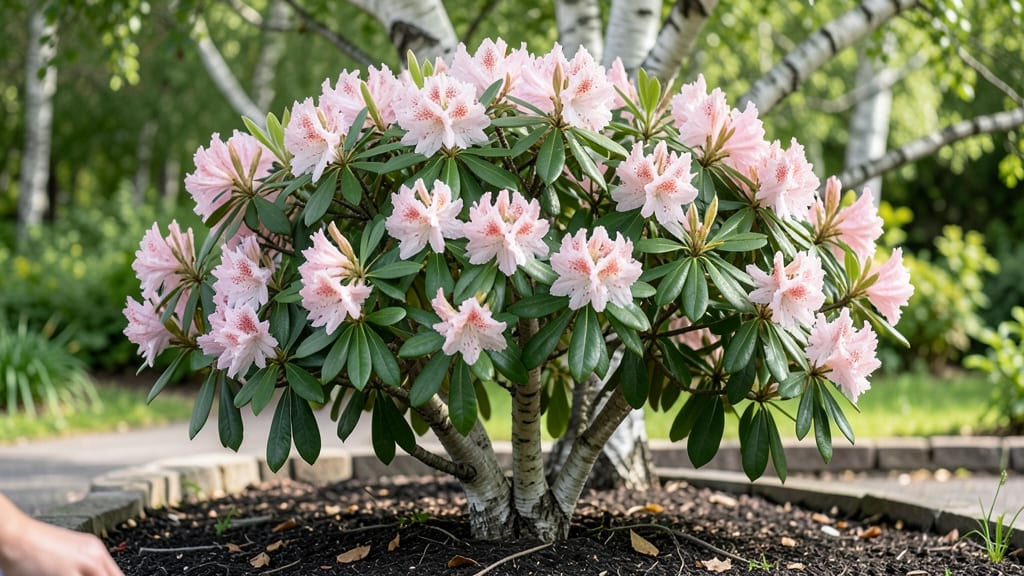
The azalea tree height can stretch from 3 feet of delicate shrubbery to 20 feet of towering beauty—depending entirely on how you prune them. 🌿 I’ve watched my own azaleas transform from unruly bushes into perfectly shaped focal points just by timing cuts right, and the difference in their height and shape is night-and-day.
Most azaleas naturally grow between 6 and 12 feet, but dwarf varieties like ‘Little Devil’ stay under 3 feet, while ‘Girard’s Pink’ can reach 15 feet if left unchecked.
The key lies in when you prune: after blooms fade is ideal, but pruning too late risks next year’s flowers. Soil and sunlight also play a role—rich, acidic soil keeps them lush, while too much sun can stress them into growing taller.
With the right technique, you can keep azaleas compact enough for foundation plantings or let them grow wild as a dramatic woodland statement. The secret isn’t just cutting branches—it’s understanding how each variety responds to light, water, and seasonal changes. I’ll show you how to shape yours without sacrificing blooms.
Once you master the timing, you’ll see azaleas grow exactly how you want—whether that’s a 4-foot hedge or a 12-foot statement tree. The best part? They’ll still burst with color every spring, no matter the size.
📚 In This Guide
- What you need
- Instructions
- Tips and common mistakes
- Wrapping up and next steps
What you need
- ● Pruning shears – Bypass pruners (sharp, 6-8 inch blades) for clean cuts on small branches.
- ● Loppers – Long-handled (20-24 inch) for thicker branches (½ to 1½ inches in diameter).
- ● Pruning saw – Curved blade for stubborn, woody stems (1-2 inches thick).
- ● Gloves – Heavy-duty, cut-resistant (thorns are no joke!).
- ● Disinfectant – 70% isopropyl alcohol or bleach solution (1:9 ratio) to sterilize tools between cuts.
- ● Rubbing alcohol or hand sanitizer – For cleaning hands after pruning.
- ● Garden twine or zip ties – To secure branches during heavy pruning.
- ● Ladder or step stool – Sturdy, 6-8 ft tall (for taller azaleas).
- ● Bucket or tarp – To collect pruned branches and debris.
- ○ Sharpie or permanent marker – For marking branches to remove (optional but helpful!).
- ● Hand pruners (felco) – For precision work on delicate stems.
- ● Extension pole pruners – For high branches without a ladder.
- ● Root stimulator or fungicide – To protect cuts and encourage healing.
- ● Garden hose or spray bottle – To rinse tools and refresh cuts.
- ● Notebook & pen – To jot down pruning notes for future reference.
Step-by-step azalea pruning for controlled growth
Here’s how to shape azaleas into either a lush, compact shrub or a towering focal point—without sacrificing blooms.
✂️ Step 1: Assess Your Azalea’s Natural Growth Pattern
Azaleas grow in two primary forms: mounded (compact) or upright (taller). Observe your plant’s branches—if they spread horizontally, you’re working with a mounded variety like Rhododendron ‘Girard’s Pink’. If stems grow vertically with fewer side branches, it’s likely an upright type like Rhododendron ‘Birkwith’. This determines your pruning approach.
Take a step back and note where the strongest stems emerge. These will form your plant’s structural framework. I always mark them with a small twig clip to avoid accidental cuts—azaleas bloom on old wood, so removing these stems prematurely means fewer flowers next season.
✂️ Step 2: Prune for Compact Shape (Mounded Azaleas)
For a bushy, rounded azalea, prune immediately after flowering (late spring to early summer). Use clean, sharp pruners and cut just above a bud or leaf node—never leave stubs. This encourages new growth from the sides, thickening the shrub. Remove one-third of the oldest stems at the base to rejuvenate the plant and open the center for airflow.
Watch for water sprouts (thin, upright shoots in the center). These steal energy from flowering branches—snip them back to the main stem. Compact azaleas thrive with annual pruning to maintain their shape. If you skip a year, you’ll end up with leggy growth that’s hard to correct.
✂️ Step 3: Encourage Vertical Growth (Towering Azaleas)
To grow azaleas taller, prune lightly—focus on shaping rather than reducing size. Cut back only the outermost branches that grow outward or downward, leaving the central leader (main upright stem) intact. This directs energy upward. For upright varieties, I prune once a year in late summer to avoid cutting off next year’s flower buds.
If your azalea is already too tall, never prune more than 25% of the foliage at once. Severe cuts shock the plant and can reduce flowering. Instead, spread pruning over two seasons—remove a third of the oldest stems the first year, then the remaining two-thirds the following year.
☀️ Step 4: Post-Pruning Care for Healthy Growth
After pruning, water deeply to help the plant recover. Azaleas prefer acidic soil (pH 4.5–6.0), so apply a slow-release acid fertilizer in early spring to support new growth. Mulch with 2–3 inches of pine bark to retain moisture and protect roots—this is especially critical in the first month after pruning.
Keep an eye on the new growth—healthy shoots should emerge within 4–6 weeks. If you see yellowing leaves or stunted growth, your azalea may need more morning sun (they tolerate partial shade but avoid deep shade). Avoid heavy pruning in late summer or fall, as this can leave the plant vulnerable to winter damage.
Tips & tricks for perfect azalea pruning
These pruning secrets will help you shape your azaleas into either a lush, compact shrub or a striking vertical specimen without compromising those stunning blooms.
Identify Growth Habits First: Before you make any cuts, spend 5 minutes observing your azalea's natural growth pattern. Mounded varieties like 'Girard's Pink' spread horizontally, while upright types like 'Birkwith' grow vertically. I learned this the hard way—pruning a mounded azalea as if it were upright left me with a lopsided, leggy mess. The key is to work with the plant's natural tendencies rather than against them.
Mark Structural Stems: Use small twig clips or colored tape to mark your azalea's strongest stems—they'll form your plant's framework. These are the stems that will support next year's flowers, so never remove them prematurely. I always mark them right after flowering when the stems are most visible. This simple step prevents the heartbreak of cutting off potential blooms.
Timing is Everything: For compact mounded azaleas, prune immediately after flowering (late spring to early summer) when the plant has finished blooming but before new growth starts. Upright varieties need their pruning in late summer to preserve next year's flower buds. Missing these windows can result in fewer blooms or uneven growth—trust me, I've seen both happen when timing was off.
Gradual Height Reduction: If your azalea has grown too tall, never remove more than 25% of the foliage in one session. I once tried to correct a 6-foot azalea by cutting it back drastically, and it took three years to recover. Instead, spread the pruning over two seasons: remove a third of the oldest stems first year, then the remaining two-thirds the following year. This gradual approach maintains the plant's health while achieving your height goals.
Pro Tips for Azalea Tree Height
- These pruning secrets will help you shape your azaleas into either a lush, compact shrub or a striking vertical specimen without compromising those stunning blooms.
- Identify Growth Habits First: Before you make any cuts, spend 5 minutes observing your azalea's natural growth pattern.
- Mark Structural Stems: Use small twig clips or colored tape to mark your azalea's strongest stems—they'll form your plant's framework.
Frequently asked questions
Got questions about managing your azalea’s height? You’re not alone! Here are some of the most common concerns—and straightforward answers to help you shape your azalea into the perfect size for your space.
How tall do azalea trees typically grow?
Most azalea trees reach 6 to 12 feet tall at maturity, though dwarf varieties stay between 2 to 4 feet. Height depends on the cultivar—evergreen azaleas often grow taller, while deciduous types may stay shorter. Check your plant’s tag or research its specific variety for precise expectations!
When is the best time to prune an azalea to control its height?
Prune azaleas right after they bloom (late spring to early summer) to encourage new growth and shape the tree. Avoid heavy pruning in fall or winter, as it can stress the plant. Light trimming to remove dead or overgrown branches is fine in late winter, but save major height adjustments for post-bloom season.
Can I keep an azalea bushy and compact without pruning?
While azaleas can stay compact naturally, pruning is key for dense growth. Pinch back new growth in early summer to encourage branching. If you skip pruning, azaleas may grow leggy or sparse. For a fuller look, focus on trimming the outer growth to stimulate inner buds—think of it as "training" your azalea to fill out!
Why is my azalea growing taller than expected, even after pruning?
If your azalea is outgrowing its space, check these common culprits: over-fertilizing with high-nitrogen feeds (which promotes rapid vertical growth), poor sunlight (shady spots can stretch stems), or root-bound conditions. Adjust care by pruning more aggressively in summer, moving to partial shade, or repotting if it’s a container-grown variety.
Are there azalea alternatives for smaller spaces?
Yes! Consider these compact options: Dwarf Encore Azaleas (3–4 ft), Rhododendron ‘PJM’ (4–5 ft), or Dwarf Gardenias (2–3 ft). For a non-azalea shrub, try Dwarf Boxwoods or Abelia ‘Kaleidoscope’, which thrive in similar conditions but stay under 3 feet tall. Always match your climate and soil type!
Wrapping up and next steps
Choosing the perfect azalea tree height—whether you dream of a compact bush or a towering beauty—is all about timing, technique, and a little patience! 🌿 With the right pruning tools, seasonal know-how, and a dash of creativity, you can shape your azalea into the star of your landscape.
Remember, consistency is key, and even the most experienced gardeners learn from every trim.
Ready to transform your azalea game? Start by selecting your ideal cultivar (dwarf, semi-dwarf, or standard) and grab your pruners—your garden’s masterpiece awaits! 🌸