
Container Gardens
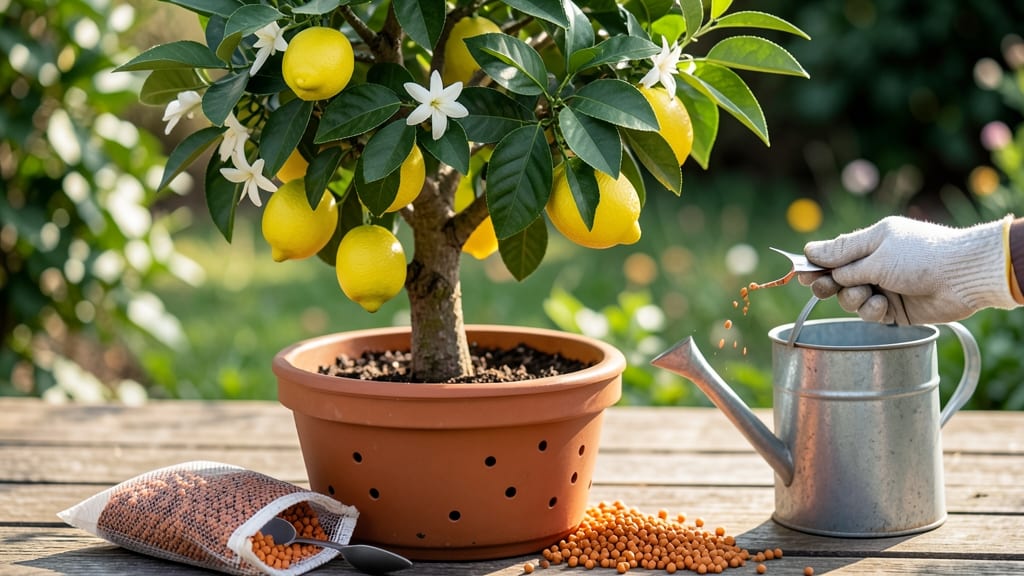
To fertilize a lemon tree in pot at the right time means catching the spring flush and summer fruit set—any earlier or later, and you risk burning roots or missing the growth window.
Picture this: you’ve nurtured your 🍋 for months, only to watch it put out sparse leaves or no fruit at all. The culprit? Fertilizer timing that didn’t match the tree’s natural cycles. Potted lemon trees are different from in-ground ones—their roots are confined, and their needs shift with the seasons.
Spring is when you kick off feeding lightly to wake up the roots, while summer demands regular nourishment for those sweet lemons. But here’s the catch: fall and winter slow everything down, and overfeeding can do more harm than good.
In this guide, I’ll walk you through the exact months to fertilize, how often, and what to watch for—so you can turn that pot into a lemon-producing powerhouse without the guesswork.
Best fertilizing schedule for potted lemon trees by season
Getting your potted lemon tree to bear fruit requires precise fertilizer timing. Unlike in-ground trees, container-grown citrus needs a tailored approach—too much fertilizer burns roots, while too little stunts growth. The key lies in matching applications to your tree’s active growth phases, which shift dramatically with the seasons.
I’ve grown potted lemons for years and learned that spring and summer are prime feeding windows, while fall and winter demand near-zero input. Let’s break it down month by month to keep your tree thriving without overdoing it.
Potted lemon trees thrive on a balanced citrus fertilizer (like 6-6-6 or 8-3-9 NPK ratio) applied every 4-6 weeks during active growth. The trick is adjusting frequency based on temperature and daylight hours.
For example, in June and July, when your tree is flowering and fruiting, you’ll feed more frequently than in October, when it’s preparing for dormancy.
Always water thoroughly before fertilizing to prevent root burn—a lesson I learned after watching a neighbor’s tree develop brown leaf tips from dry fertilizer.
🌱
| Season | Months | Frequency | Fertilizer Amount | Notes |
|---|---|---|---|---|
| Spring | March, April, May | Every 4 weeks | 1 tbsp per 6" pot diameter | Light feed after pruning; stimulate new growth |
| Summer | June, July, August | Every 3-4 weeks | 1 tbsp per 6" pot diameter | Peak feeding for fruit production; reduce if leaves yellow |
| Fall | September, October | Every 6 weeks | ½ tbsp per 6" pot diameter | Taper feeding as temps drop; stop by November |
| Winter | November, December, January, February | None | 0 | Tree is dormant; resume feeding in March |
Let’s start with spring, when your lemon tree wakes up from dormancy. In March and April, begin with a light fertilizer application (about half the recommended dose) to encourage new leaf growth. I always fertilize after pruning to give the tree energy for recovery.
By May, increase to full strength—this is when your tree needs nutrients most for flowering. A pro tip: Use a slow-release fertilizer to avoid nutrient spikes that can stress roots.
Summer is the heaviest feeding period for potted lemons. From June through August, feed every 3-4 weeks to support fruit development. I’ve found that morning applications work best—water first, then fertilize, and avoid getting leaves wet to prevent fungal issues.
Watch for signs of over-fertilization like brown leaf edges or white crust on soil, which means you’ve overdone it. If this happens, flush the soil with water immediately.
As temperatures drop in fall, reduce feeding frequency. In September, cut back to every 6 weeks with half-strength fertilizer. By October, most potted lemons are preparing for dormancy, so taper off completely.
I’ve seen trees stressed by late-season feeding—this is when they need rest, not extra nutrients. Stop fertilizing entirely by November and resume in March when new growth appears.
Winter is zero-fertilizer season for potted lemons. From December through February, your tree’s growth slows dramatically, and feeding can harm roots. Instead, focus on watering lightly (every 2 weeks) and keeping the pot in a bright, cool spot (like a sunroom).
I once fertilized my lemon tree in January out of habit—big mistake! The roots suffered, and the tree took months to recover. Trust the process: patience pays off with better fruit next season.
Pro tip: Use a citrus-specific fertilizer or a balanced 6-6-6 blend—these ratios mimic what lemon trees need naturally. Avoid high-nitrogen fertilizers (like 10-0-0), which promote leafy growth at the expense of fruit.
I’ve experimented with organic options like fish emulsion or compost tea in spring, and they work well if diluted properly. Just remember: less is more with potted citrus—container soil holds nutrients tightly, so over-fertilizing is easier than you think.
One final piece of advice: Monitor your tree’s response to fertilizing. Healthy leaves should be dark green and glossy, while slow growth or yellowing between veins signals a nutrient deficiency. If you see white salt deposits on the soil surface, flush the pot immediately with water.
I’ve had to do this twice—once after using too much synthetic fertilizer and again when I forgot to dilute a homemade compost tea. Adjust your schedule based on what you observe, and don’t be afraid to skip a feeding if your tree looks stressed.
🍋
Signs your lemon tree needs fertilizer (and when to stop)
Your potted lemon tree might be silently screaming for nutrients if you notice yellow leaves between the veins while the rest stays green. This classic nitrogen deficiency sign often appears when roots can't access enough nutrients from the limited soil in containers.
Don't ignore it—citrus trees are heavy feeders, especially when producing fruit.
Another red flag is slow growth or tiny, sparse new leaves. Healthy lemon trees should grow 6-12 inches per year in pots, with vigorous new shoots in spring. If your tree looks like it's barely keeping up, it's time to check your fertilizer routine.
Even mature trees need regular feeding to maintain their energy for fruit production.
🌱
⚠️ When to Fertilize Lemon Tree in Pot: Critical Timing
Spring (March-May): Light feed every 4-6 weeks after last frost to stimulate new growth.
Summer (June-August): Feed every 4 weeks during peak fruit production—use citrus-specific fertilizer.
Fall (September-October): Reduce to light feeding or stop by October to prepare for dormancy.
Winter (November-February): No fertilizer—tree is dormant and won't absorb nutrients.
Pro Tip: Always water before fertilizing to prevent root burn in pots.
Watch for purple or red leaf margins, which signal phosphorus deficiency—common in potted trees that haven't been fed enough for root development. This often happens when gardeners overcorrect nitrogen by adding too much fast-release fertilizer.
Balance is key: aim for a 6-6-6 or 8-3-9 NPK ratio designed for citrus.
If your tree shows leaf drop or brown leaf tips, you might be overdoing it. Potted lemon trees are especially vulnerable to root burn because their limited soil volume can't dilute excess salts from fertilizer. When in doubt, reduce by half and monitor for improvement over 2-3 weeks.
🍋
Adjust your fertilizing timeline based on your tree's growth stage. Young trees (under 3 years) need lighter, more frequent feeding to establish roots, while mature trees can handle heavier doses every 6 weeks during active growth.
Always follow the package instructions for pot size—over-fertilizing is easier than you think in containers.