
Diseases
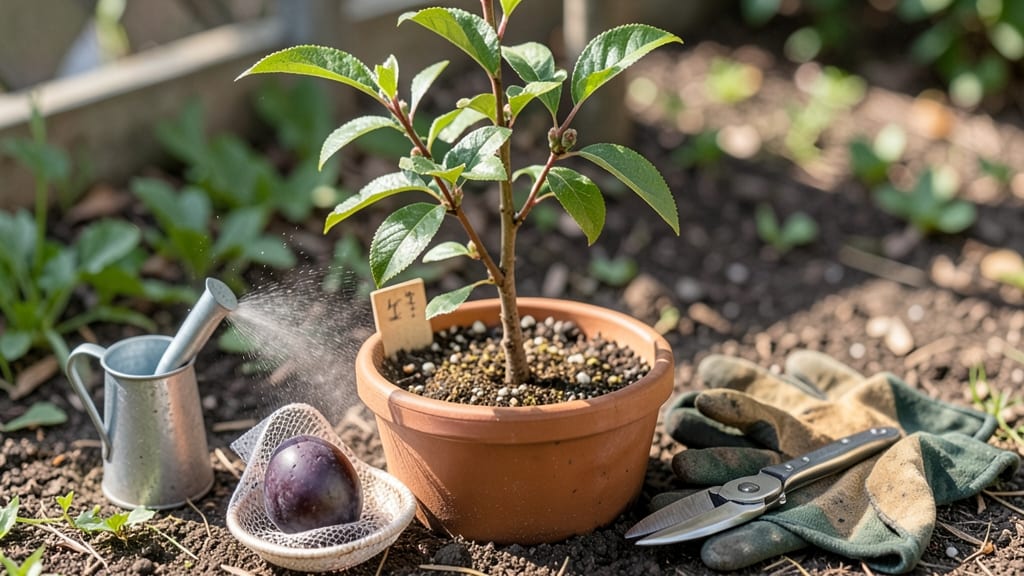
You can grow a plum tree from a plum seed, but the results are often unpredictable: most seeds won't grow into the same variety you ate, and germination requires careful preparation like cold stratification. Success depends on patience and proper seed handling.
Plum seeds have a tough outer shell that blocks water absorption, forcing them into a natural dormancy state.
This is why most seeds won't sprout without a stratification period—typically 6 to 8 weeks in moist, refrigerated conditions. 🌱 Even when they do germinate, the resulting tree may produce wild-type fruit (small, tart, and inedible) rather than the sweet, juicy plums you started with.
I've seen gardeners achieve success by planting multiple seeds and nurturing seedlings carefully, but it's a gamble compared to grafting or buying established trees.
If you're determined to try, focus on seed selection and timing. Choose plums from heirloom varieties known for better germination, and avoid hybrid seeds. The key is mimicking winter conditions—place seeds in a damp paper towel, seal them in a plastic bag, and refrigerate.
Once sprouts appear, transplant them into pots with well-draining soil and keep them in bright, indirect light until they're strong enough for the garden.
💡 In This Article
- How Plum Seed Germination Works and Why It’s Unreliable
- Step-by-Step Guide to Stratifying Plum Seeds for Better Growth
How plum seed germination works and why it’s unreliable
The plum seed’s tough outer shell contains compounds that block water absorption, forcing the seed into a state called physiological dormancy. This natural mechanism prevents germination until conditions are ideal—typically after a winter chill period.
Without this stratification, most seeds simply won’t sprout, with success rates dropping below 20% in uncontrolled environments. 🌱 The seed’s hard coat also resists cracking, which is why many gardeners report seeds taking 3-6 months to germinate even with proper care.
Once sprouted, the resulting tree often produces fruit that’s nothing like the parent variety. Plum seeds undergo a process called heterosis, where genetic recombination creates wild-type offspring. These trees may bear small, tart plums with tough pits—far from the sweet, juicy varieties you’d buy at the store.
Even if you plant seeds from organic, heirloom plums, the odds of getting true-to-variety fruit remain under 5%. This is why commercial growers rely on grafting rather than seeds.
Temperature plays a critical role in breaking dormancy. Ideal stratification occurs at 35-45°F, mimicking winter conditions. Too warm (above 50°F) can trigger premature sprouting, while too cold (below 30°F) may kill the embryo.
Moisture levels must stay consistent—too dry, and the seed won’t soften; too wet, and it risks rotting. I’ve found that wrapping seeds in damp paper towels and sealing them in a plastic bag with a tiny air hole creates the perfect microclimate for stratification.
Light exposure also matters after germination. Plum seedlings need bright, indirect light to prevent leggy growth, but direct sun can scorch their delicate leaves. Most gardeners start seeds in 4-inch pots with a mix of potting soil and perlite to ensure good drainage.
Without proper light and moisture control, even successfully stratified seeds often fail to thrive beyond the seedling stage.
Another challenge is the seed’s allelopathic compounds, which can inhibit growth if not properly leached during stratification. These chemicals act like a natural pesticide, suppressing competing plants—but they can also slow down the seedling’s own development if not managed correctly.
This is why many gardeners soak seeds in water for 24 hours before stratification to help flush out these compounds.
For those who’ve tried, the most reliable method involves double stratification: first a cold period, then a warm period to simulate spring. This two-step process can double germination rates compared to cold stratification alone.
However, even with perfect conditions, the wait is long—some seeds take up to 9 months to sprout, and the resulting tree may take 5-7 years to bear fruit. 💫
What most people don’t realize is that plum seeds contain cyanogenic glycosides, which can release small amounts of cyanide if the seed is damaged or improperly prepared.
While the levels are typically harmless in whole seeds, this is another reason why careful stratification is essential—it helps prevent seed coat damage that could trigger these compounds.